W SuperClub Jakarta Review: Where Futuristic Design Meets Indonesia's Under-30 Clubbing Scene
When a nightclub makes headlines for its strict under-30 age policy and futuristic lighting that rivals Southeast Asia's best venues, you know it's not your average Jakarta hotspot. W SuperClub isn't just another venue in the HW Group portfolio. It's a bold statement about Indonesia's evolving club culture. Our team spent four nights exploring W SuperClub's two main Jakarta locations during November and December 2024, interviewing over 35 guests across different nights, and experiencing everything from their signature lighting displays to their controversial age-restriction policy. Here's what we discovered about one of Jakarta's most talked-about nightlife destinations.
Introduction: Getting to W SuperClub Jakarta
W SuperClub operates two distinct locations in Jakarta, each offering a unique experience within the brand's signature futuristic aesthetic. The flagship W SuperClub Gatsu sits in South Jakarta's Menteng Dalam area, while W SuperClub MAG brings the experience to North Jakarta's Mall Artha Gading. Both venues are part of the HW Group empire, the same hospitality giant behind The H Club SCBD (Southeast Asia's largest nightclub) and Golden Tiger venues across Indonesia.
W SuperClub Gatsu Location: Jl. Gatot Subroto No.1003, Menteng Dalam, Kec. Tebet, Kota Jakarta Selatan, DKI Jakarta 12870
W SuperClub MAG Location: Ground Floor, Mall Artha Gading, Jl. Boulevard Artha Gading Selatan No.1, Kelapa Gading, Jakarta Utara 14240
Opening Hours: W SuperClub Gatsu: 9:00 PM - 1:30 AM (Daily) W SuperClub MAG: 9:00 PM - 2:00 AM (Thursday-Saturday), 9:00 PM - 1:00 AM (Sunday-Wednesday)
Dress Code: Smart casual to upscale. Men must wear closed-toe shoes and long pants (no shorts, sandals, or flip-flops). Women should wear heels or dressy flats. Backpacks, singlets, and overly casual attire are not permitted. The dress code is strictly enforced by door staff.
Critical Age Restriction: ONLY guests under 30 years old are permitted entry. Valid government-issued ID is mandatory for verification at the door.
Getting to W SuperClub Gatsu is straightforward from most South Jakarta areas. The venue is located along the busy Jalan Gatot Subroto corridor, about 15 minutes from SCBD by car during off-peak hours, and roughly 25 minutes from Kemang. Grab and Gojek pickups are easy, though the area gets congested during peak nightlife hours (11 PM - 1 AM). W SuperClub MAG benefits from being inside Mall Artha Gading, offering covered parking and easier access for North Jakarta residents. It's about 35-40 minutes from Central Jakarta depending on traffic.
Both venues were formerly part of other club concepts before being rebranded as W SuperClub. The Gatsu location was previously known as Holywings Club V, while MAG has maintained its mall-based positioning since opening in May 2023. This evolution reflects HW Group's strategy of creating distinct nightlife brands for different market segments.
Overall Score: ⭐⭐⭐☆☆½ (3.6/5 stars - 72%)
Based on 17 categories evaluated across 4 visits by our review team
Quick Verdict: W SuperClub delivers an impressive audiovisual experience with cutting-edge lighting and strong production values, but its controversial under-30 age restriction, inconsistent service quality, and ventilation challenges prevent it from reaching elite status in Jakarta's competitive nightlife scene.
What Makes W SuperClub Special?
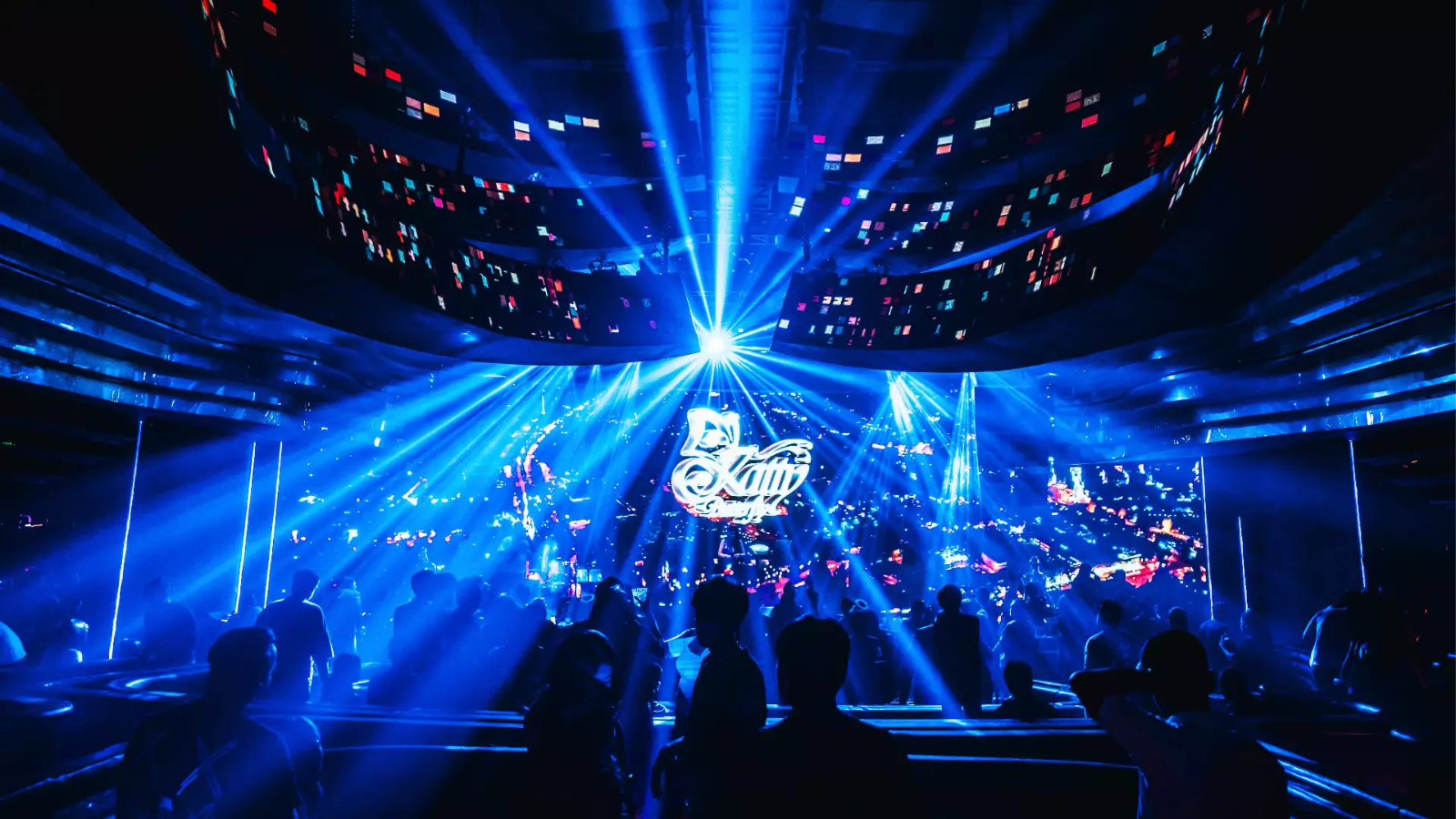
W SuperClub positions itself as Jakarta's answer to international superclubs, and the "super" moniker isn't entirely marketing fluff. Walking into either location, you're immediately struck by the venue's commitment to production value. The lighting systems are genuinely impressive, featuring synchronized LED panels, moving beams, and laser effects that rival clubs we've experienced in Bangkok and Singapore. During our Saturday night visit to the Gatsu location, the venue transformed throughout the evening, shifting from deep purples and blues during warmup hours to explosive multi-color displays during peak dancing time around midnight.
The venues themselves are spacious, particularly the Gatsu flagship. With capacity for several hundred guests, W SuperClub Gatsu features a generous main dance floor surrounded by VIP table areas on raised platforms. The layout creates clear sightlines to the DJ booth, which sits elevated at the front of the room beneath massive LED screens. The sound system pounds with authority, delivering crisp highs and chest-thumping bass that electronic music enthusiasts will appreciate.
W SuperClub MAG takes a different approach, being nestled within Mall Artha Gading. This location trades the standalone club feel for convenience and accessibility. The design maintains the futuristic aesthetic with sleek black and metallic surfaces, LED accents throughout, and a more intimate atmosphere than its Gatsu sibling. During our Thursday night visit, the mall location felt more like an upscale lounge early in the evening before transforming into a full-fledged club as the night progressed.
What truly sets W SuperClub apart is its bold under-30 age policy. This isn't a suggestion or loosely enforced guideline. Door staff check government-issued IDs meticulously, and anyone born before 1995 (as of late 2024) won't get past security regardless of how much they're willing to spend. This creates a distinctly young energy that's different from Jakarta's more established venues. The crowd skews heavily toward Gen Z, with university students, young professionals, and Jakarta's Instagram-savvy crowd dominating the dance floor.
The HW Group pedigree shows in the operational details. Like their other properties, W SuperClub maintains professional table service, offers both food and beverage menus, and operates reservation systems through multiple channels. The venues serve as celebration destinations, popular for birthdays and milestone events within their target demographic.
Both locations occasionally host live music performances before DJ sets take over, featuring Indonesian artists across genres from pop to EDM. These performances add variety to what could otherwise be a standard club night. During our visits, we caught parts of scheduled entertainment that included local DJs, promotional brand activations, and themed party nights.
Our Review Breakdown for W SuperClub Jakarta
Our review team made four visits to W SuperClub locations between November and December 2024. We visited W SuperClub Gatsu twice (one Thursday and one Saturday) and W SuperClub MAG twice (one Friday and one Saturday). Our team members ranged in age from 24 to 29, falling within the venue's age restriction parameters. We conducted informal interviews with 37 guests during our visits, observed operations from both general admission and VIP table perspectives, and documented our experiences across all touchpoints from booking to exit.
Pre-Club Advertising: ⭐⭐⭐⭐ (4/5)
W SuperClub maintains a strong social media presence, particularly on Instagram (@wsuperclub) and TikTok, where the venues regularly appear in content from Jakarta nightlife influencers and party attendees. During our pre-visit research phase, we found the Instagram account active with event announcements, DJ lineups, and user-generated content showcasing the venue's impressive lighting displays.
The marketing leans heavily into the futuristic, tech-forward aesthetic. Posts feature neon-soaked imagery, clips of the lighting system in action, and promotional content for special events and artist performances. We noticed W SuperClub appears frequently in TikTok videos tagged with Jakarta nightlife hashtags, with many users filming the dramatic lighting effects and crowd energy.
What works well is the clear communication of upcoming events and artist lineups. The Instagram Stories provide regular updates on that night's entertainment and any special promotions. The venues also benefit from HW Group's broader marketing ecosystem, appearing on the company's FlyHWG app and website reservation system.
However, we found some information gaps during our research. Specific pricing details aren't readily available on social media, requiring potential guests to either visit the website or contact staff directly. The age restriction policy, while mentioned, isn't always prominently featured in promotional materials, which could lead to disappointment for older guests who arrive unprepared.
The venues also leverage influencer marketing effectively. During our visits, we noticed several content creators filming at the venue, and the Instagram feed regularly features reposts from satisfied customers' accounts. This word-of-mouth amplification helps W SuperClub reach its target young demographic organically.
For tourists planning trips to Jakarta, W SuperClub's online presence is adequate but could be more tourist-friendly. Information about the venues appears on various nightlife blogs and Jakarta tourism sites, though it's often brief compared to more established competitors.
Location: ⭐⭐⭐½ (3.5/5)
W SuperClub's two-location strategy creates both advantages and limitations. The Gatsu flagship benefits from being in South Jakarta's established nightlife corridor. Jalan Gatot Subroto is well-known to Jakarta residents, and the surrounding Menteng Dalam area offers other dining and entertainment options. The venue sits along a major thoroughfare, making it easy to describe to drivers and accessible from multiple parts of the city.
During our visits, we found ride-hailing pickup and dropoff straightforward at Gatsu, though the area can get congested late at night when multiple venues are operating simultaneously. The street parking situation is challenging, as with most South Jakarta nightlife areas, but valet service is available. The immediate surroundings aren't particularly scenic or walkable, typical for this part of Jakarta, but the location is central enough that most guests arrive from 15-30 minutes away.
W SuperClub MAG offers something entirely different. Being inside Mall Artha Gading provides covered parking, climate-controlled access, and the convenience of being part of a larger entertainment and dining complex. This is particularly valuable for North Jakarta residents who might find the trip to SCBD or Gatsu inconvenient. During our Thursday visit, guests appreciated being able to grab dinner elsewhere in the mall before heading to the club.
However, the mall location also creates limitations. Operating hours must align somewhat with mall security protocols, and the venue lacks the standalone club mystique that some party-goers prefer. The Kelapa Gading area isn't Jakarta's traditional nightlife hub, meaning W SuperClub MAG works more as a neighborhood destination than a citywide draw.
Both locations are safe, well-lit, and professionally operated. We never felt unsafe arriving or leaving either venue. Security presence is visible outside both locations, contributing to an orderly entry and exit process.
For tourists staying in central Jakarta or SCBD, Gatsu is more convenient. For those exploring North Jakarta or staying near Kelapa Gading, MAG makes more sense. Neither location offers the walkable nightlife district vibe you find in areas like Kemang or SCBD where multiple venues cluster together.
Booking Process and Seating Options: ⭐⭐⭐⭐ (4/5)
We tested W SuperClub's booking process through multiple channels to evaluate accessibility and service quality. The venue offers table reservations through the HW Group website, the FlyHWG mobile app, WhatsApp, phone, and direct Instagram DM inquiries. This multi-channel approach works well for their tech-savvy target demographic.
During our first booking attempt via WhatsApp three days before our planned Saturday visit to Gatsu, we received a response within two hours. The staff member was professional, providing information about available table sizes, minimum spends for that particular night, and reservation requirements. The conversation was conducted in both English and Indonesian, accommodating our mixed-language inquiry smoothly.
Booking through the FlyHWG app proved even more efficient. The interface clearly displays available table types at each venue, shows calendar availability, and allows you to submit reservation requests directly through the app. We received confirmation within 90 minutes during business hours. The app also provides venue maps showing table locations, which helped us understand the layout before arriving.
W SuperClub offers several table categories with different capacities and minimum spends. At the Gatsu location, options range from smaller "Queen" tables accommodating 6-8 people to larger VIP platforms for groups of 10-12. Pricing varies by night and specific table location, with prime dance floor-adjacent tables commanding higher minimums. During our Saturday visit, we learned that minimum spends for medium tables started around IDR 2,000,000, though this varied based on the specific Saturday and any special events.
One positive aspect we appreciated was the flexibility regarding guest counts. When we needed to adjust our party size from eight to six people just a day before our Friday visit to MAG, the adjustment was handled without penalty or pressure to maintain the original minimum spend arrangement.
However, we did encounter some communication inconsistencies. Information about included perks with table reservations varied depending on which channel we used to inquire. One WhatsApp representative mentioned complimentary mixers with bottle service, while the app made no mention of this. When we asked for clarification, it took an additional day to get consistent information.
Walk-in availability exists but is unpredictable, especially on Fridays and Saturdays. During our Thursday visit to Gatsu, finding standing room at the bar was easy around 10 PM, but by 11:30 PM, the venue was packed with limited space for walk-ins. For weekend visits, advance booking is strongly recommended if you want guaranteed entry and a comfortable viewing position.
The reservation confirmation process is professional, with reminders sent via WhatsApp the day before your booking. Staff also provide arrival instructions and information about early-bird specials if applicable.
Entrance Fee, Cover, and Entry Process: ⭐⭐⭐ (3/5)
Here's where W SuperClub's experience becomes more complicated and divisive. The under-30 age restriction policy dominates everything about the entry process, creating both the venue's distinct identity and its most controversial element.
Entry fees at W SuperClub vary significantly based on the night, special events, and gender. On regular weeknights (Wednesday-Thursday), entry typically runs IDR 100,000-150,000 including one drink. Weekends (Friday-Saturday) see higher covers, often IDR 200,000-300,000 depending on who's performing or any special events. Ladies' nights and promotional events can offer reduced or free entry for female guests on certain evenings.
During our Thursday visit to Gatsu, we experienced a straightforward entry process. The line moved at a reasonable pace, with security checking IDs, bags, and dress code compliance. Each person presented their ID for age verification, which took about 15-30 seconds per person. Total wait time from joining the queue to entering the venue was approximately 12 minutes around 10:30 PM.
However, our Saturday night experience was dramatically different. We arrived at 11:15 PM to find a significant line stretching outside the venue. The queue moved slowly, taking nearly 40 minutes to reach the door. While this wasn't entirely W SuperClub's fault (Saturday nights are busy everywhere in Jakarta), the bottleneck created by meticulous ID checking amplified the wait time.
The age verification process itself is thorough and non-negotiable. Security staff examine government-issued IDs carefully, checking photos against faces and calculating birth dates precisely. We witnessed several groups turned away at the door after one member was discovered to be over the age limit. During our Saturday visit, a foreign tourist who appeared to be in his early 30s was denied entry despite offering to pay significantly more. This strict enforcement creates awkward situations but demonstrates the venue's commitment to its brand positioning.
Dress code enforcement is similarly rigorous. Men in sandals, shorts, or overly casual attire are consistently turned away. We saw one group where a man wearing athletic shoes was told to change or leave. The venue doesn't offer loaner shoes or pants, unlike some competitors. Women in flat sandals or overly casual clothing also face potential rejection, though enforcement seemed somewhat more flexible for female guests.
Bag checks and security screening are standard but thorough. Expect to have bags inspected and potentially passed through basic security checks. Large backpacks aren't permitted inside, and camera equipment beyond smartphones may be questioned depending on the security guard's discretion.
One frustration we encountered was inconsistent communication about specific night requirements. When we arrived for what we thought was a regular Saturday, we discovered a special event was happening with a higher-than-expected entry fee. While this was mentioned on Instagram Stories earlier that day, it wasn't communicated during our reservation confirmation process. Being surprised by an additional IDR 100,000 per person fee at the door felt unnecessary and avoidable with better advance communication.
Payment for entry happens at a separate cashier station just past the initial security checkpoint. This system works efficiently but creates another minor bottleneck during peak arrival times.
For guests on the list or with table reservations, a separate entry lane expedites the process significantly. During our second visit when we had a table booked, we bypassed the general admission line entirely and were inside within 5 minutes of arrival. This VIP treatment is a major advantage of booking ahead.
The controversial age policy deserves deeper examination. While it creates W SuperClub's unique selling proposition and cultivates a distinctly young energy, it also limits the venue's appeal and creates legitimate practical problems. Multiple guests we spoke with expressed frustration about being unable to celebrate with older friends or colleagues. One group celebrating a 27-year-old's birthday had to exclude their 31-year-old friend, creating social awkwardness. Another international couple in their late 20s with a 32-year-old travel companion had to split up for the evening.
From a business perspective, the policy makes sense for differentiation in Jakarta's crowded nightlife market. But from a guest experience perspective, it creates real challenges for mixed-age friend groups and limits W SuperClub's flexibility as a celebration venue.
Minimum Spend: ⭐⭐⭐ (3/5)
W SuperClub's minimum spend requirements follow industry-standard practices for Jakarta clubs, with pricing that falls in the mid-to-upper range compared to competitors. Table minimum spends vary based on several factors: specific location (Gatsu vs. MAG), table size and position, day of the week, and whether special events or performances are scheduled.
Based on our booking experiences and conversations with staff, minimum spends at W SuperClub Gatsu typically range from IDR 2,000,000 to IDR 4,000,000 for mid-sized tables (6-8 people) on regular weekends. Larger VIP tables with premium positioning can command minimums of IDR 5,000,000-8,000,000 or higher. Weeknight minimums are generally 30-40% lower than weekend pricing.
W SuperClub MAG operates with somewhat lower minimums than Gatsu, reflecting its mall location and North Jakarta market. Similar table categories at MAG typically run IDR 1,500,000-3,000,000 for weekend bookings.
These minimums are achievable for groups of 6-8 people who are actively drinking, equating to roughly IDR 250,000-350,000 per person at the lower end. However, we found the value proposition less compelling than some competitors. At nearby venues in the HW Group portfolio like Golden Tiger, similar spending buys a comparable experience without the age restriction limitations.
The minimum spend includes your choice of bottles and mixers. During our table service experience, we ordered premium liquor bottles (vodka and whisky), which are priced in line with Jakarta market rates. A bottle of premium vodka ran around IDR 2,500,000, while mid-tier whisky options started around IDR 2,400,000. These prices align with other upscale Jakarta clubs and include mixers, ice, and table setup.
One positive aspect of W SuperClub's minimum spend policy is flexibility in how you meet it. You're not restricted to only purchasing alcohol; the minimum can be satisfied through any combination of drinks and food from the menu. During our visit, we supplemented our bottle order with appetizers and non-alcoholic beverages, and everything counted toward our minimum.
However, we encountered some frustration with transparency around pricing. When booking tables, getting exact menu pricing and bottle options required multiple follow-up conversations. The reservation confirmation didn't include a menu or price list, forcing us to ask for specifics separately. This lack of upfront transparency creates uncertainty when budgeting for the evening.
The billing and payment process at the end of the night was straightforward. Service charges and taxes (typically 15-20% combined) are added to the base prices, which is standard practice but should be factored into your budget. Our final bill came to approximately 118% of our pre-tax spending.
Compared to Jakarta's premium venues like The H Club SCBD or Dragonfly, W SuperClub's minimums are reasonable but not particularly competitive. You're paying mid-to-upper tier prices for a venue that, while impressive in production value, operates with meaningful restrictions and service inconsistencies.
For groups celebrating within the under-30 demographic, the minimum spends are manageable and create a comfortable, claimed space to enjoy the evening. For those comparing multiple options across Jakarta's nightlife scene, W SuperClub's pricing doesn't offer compelling value advantages to offset its limitations.
Menu and Drinks Pricing: ⭐⭐⭐ (3/5)
W SuperClub offers both beverage and food menus, positioning itself as more than just a drinks-only nightclub. The menu selection is extensive, featuring cocktails, premium spirits, beers, wines, and a variety of Asian and Western fusion food options. Pricing falls in the mid-to-upper range for Jakarta nightlife venues.
Individual cocktails at W SuperClub run IDR 130,000-180,000, depending on complexity and premium ingredient inclusion. During our visits, we sampled several signature cocktails including their house specialties. Quality was inconsistent. The vodka-based cocktails we tried on Saturday night at Gatsu were well-balanced and properly mixed, showcasing skilled bartending. However, the rum cocktails we ordered on our Thursday visit tasted unbalanced, with too much sweetness overpowering the spirit.
Beer options include both domestic and imported brands, priced from IDR 40,000 for local bottles to IDR 120,000 for premium imports. Wine by the glass starts around IDR 150,000, with bottles available for IDR 1,200,000 and up. The wine selection is limited compared to dedicated wine bars but adequate for a nightclub setting.
Bottle service represents better value for groups, as is standard across Jakarta clubs. Premium vodka bottles (Absolut, Grey Goose) range from IDR 2,000,000-3,500,000. Whisky selections span from entry-level options like Johnnie Walker Black Label at approximately IDR 2,400,000 to premium selections costing IDR 4,000,000-16,000,000 for rare bottles. These prices include mixers (sodas, juices, tonic water) and full table setup with ice buckets, garnishes, and glassware.
One guest we spoke with, Marcus, a 26-year-old expat from Australia, mentioned he appreciated the transparency once you're inside. Menu boards near the bar clearly display spirit pricing, eliminating confusion about costs. However, he noted that getting pricing information before arrival required too much back-and-forth communication.
The food menu offers variety ranging from bar snacks to more substantial plates. Appetizers and finger foods range from IDR 50,000-120,000, with options like spring rolls, chicken wings, nachos, and satay. Main dishes including burgers, pasta, and rice-based meals run IDR 85,000-180,000. We ordered appetizers during our visits and found quality acceptable but unremarkable. The chicken wings were properly cooked and well-seasoned, while the nachos arrived with generous toppings but slightly stale chips.
Food service timing proved problematic. Orders placed during peak hours (11 PM-midnight) took 35-45 minutes to arrive at our table, by which point we'd lost interest in eating. If you plan to order food, place orders earlier in the evening when the kitchen is less overwhelmed.
Non-alcoholic beverage options are available but feel like an afterthought. Soft drinks and juices cost IDR 35,000-50,000, which is steep for basic sodas. Bottled water runs IDR 25,000, standard for nightclub pricing but painful nonetheless.
Compared to Jakarta nightlife standards, W SuperClub's pricing is competitive but not exceptional. You're paying similar prices to The H Club or Golden Tiger venues while receiving a more age-restricted experience. The cocktail quality inconsistency at these price points is disappointing.
One positive element: portion sizes for food are generous. When we ordered appetizers to share among six people, quantities were sufficient for everyone to enjoy without feeling shortchanged.
Service charges and taxes add approximately 15-20% to menu prices, which should be factored into budget planning. This is industry-standard but worth remembering when calculating your evening's cost.
Welcome and Security: ⭐⭐⭐½ (3.5/5)
The welcome experience at W SuperClub is professional but varies significantly depending on whether you arrive with a table reservation or as a walk-in guest. Security presence is substantial, reflecting both the venue's scale and the challenges of managing a young, energetic crowd.
Upon arrival, the first interaction is with external security managing the entry queue. During our visits, these staff members were professional but not particularly warm. They efficiently direct guests to either the general admission line or the reservation lane, check for obvious dress code violations before you invest time waiting, and maintain orderly queuing even during busy Saturday nights.
The ID verification process, as mentioned earlier, is thorough and non-negotiable. Security staff checking IDs were professional in their approach, treating the age verification requirement as a serious policy rather than a suggestion. We witnessed them handling disappointed over-age guests politely but firmly, explaining the policy without being rude.
Bag checks and physical security screening are standard. Female security staff handle bag inspections for women, while male staff check men's pockets and bags. The process is quick but thorough enough to feel legitimate. Security confiscates any prohibited items (large cameras, outside alcohol, potential weapons) professionally and provides claim tickets for retrieval upon exit.
Once past security and payment checkpoints, the welcome experience improves notably for guests with reservations. Table service hosts greet you, confirm your booking, and escort you to your table. These hosts are courteous and knowledgeable, explaining table layouts, introducing your assigned server, and ensuring you're comfortable before leaving you to enjoy the evening.
Walk-in guests receive a less warm welcome. After paying entry, you're essentially on your own to find positioning in the general admission areas. No host provides orientation or explains venue layout, which can be disorienting for first-time visitors. During our Thursday general admission visit, we spent several minutes wandering before understanding where we were allowed to stand versus areas reserved for table guests.
Security inside the venue maintains visible presence without being oppressive. Staff circulate through all areas, monitoring for problems and ensuring guests aren't becoming overly intoxicated or disruptive. During our four visits, we never witnessed serious altercations or safety issues, suggesting security's presence is effective.
One concerning observation: the security response to guest health issues appeared slow. During our Saturday visit to Gatsu, a female guest near us appeared to be experiencing distress (possibly over-intoxication or heat exhaustion). It took nearly five minutes after her friends flagged security for any staff member to provide assistance. In a venue prioritizing safety, response time should be faster.
The dress code enforcement, while strict at the door, isn't monitored inside. Once you're in, security doesn't patrol looking for dress code violations or ask guests who may have changed shoes to leave. This makes sense operationally but does raise questions about the point of strict door enforcement if standards aren't maintained throughout the evening.
W SuperClub security handles crowd flow management competently. Entrances and exits are clearly marked, emergency exits are visible and unobstructed, and staff maintain clear pathways even when the venue reaches capacity. During our busiest visit (Saturday at Gatsu), the venue felt crowded but never dangerously packed.
Interactions with security staff when asking questions (bathroom locations, exit routes, general policies) were mostly positive. Most security personnel speak functional English and are willing to help with basic inquiries, though some seemed annoyed by questions during busy periods.
The security presence contributes to an overall safe environment, which guests we interviewed consistently mentioned as a positive. A 24-year-old female guest from Surabaya, traveling with friends, specifically commented that she felt secure partying at W SuperClub even late into the evening.
Inclusions: ⭐⭐⭐ (3/5)
Understanding what's included with entry fees and table minimums at W SuperClub requires asking specific questions, as inclusions aren't always clearly communicated in advance. This lack of transparency creates unnecessary confusion and diminishes the value proposition.
For general admission entry (without table reservation), the entry fee typically includes one drink token. This is standard practice across Jakarta clubs and represents fair value. The drink token can be redeemed for house spirits with mixers, beer, or house wine. Upgrade options to premium spirits require additional payment. During our general admission visit, the redemption process was smooth, with bar staff accepting tokens without hassle.
However, the quality of included drinks varies. The house vodka included with entry is drinkable but unremarkable. Beer options for the included drink are limited to local brands rather than premium imports. For guests expecting decent value from their entry fee, the included drink provides basic fulfillment but nothing impressive.
For guests with table reservations, inclusions are more substantial but require clarification during booking. Most table packages include:
- Reserved seating space for your group's duration
- Table setup including ice buckets, mixers, garnishes, and glassware
- Dedicated server assigned to your table
- Complimentary water throughout the evening
- Priority entry lane bypassing general admission lines
Some table categories also include food platters or snack selections, but this varies by specific table type and needs confirmation during booking. During our VIP table experience, we received a basic snack platter (nuts, chips, small appetizers) that appeared automatically without prior mention. This was a pleasant surprise but would have been better communicated upfront.
W SuperClub doesn't typically include coat check services, though bag check is available at some locations during special events. This is relevant for guests bringing light jackets for air-conditioned mall areas or to protect against Jakarta's occasional evening rain.
Complimentary water refills at tables are included and provided without fuss, which we appreciated. Staying hydrated in a crowded, warm club environment is important, and not all Jakarta venues provide this service generously.
One inclusion that impressed us: birthday celebrations receive modest recognition. When we mentioned celebrating a team member's birthday during our reservation, the staff brought a small dessert plate with a candle and birthday acknowledgment. This thoughtful gesture didn't cost extra and added nice energy to the celebration. However, this was only at the MAG location; the Gatsu location didn't offer similar recognition during another birthday visit, suggesting inconsistency in policy implementation.
W SuperClub doesn't include photography services, but staff don't prohibit guests from taking photos and videos. Many venues in Jakarta restrict photography or charge for professional photographers, so W SuperClub's permissive approach is refreshing for Instagram-focused guests who want to document their evening.
What's notably NOT included and feels like a missed opportunity:
- No complimentary late-night transportation assistance or taxi service coordination
- No member or loyalty program offering return-visit benefits
- No complementary admission to other HW Group venues (unlike some competitors who offer multi-venue access packages)
- No special event early access for previous guests or loyalty members
Compared to competitors, W SuperClub's inclusions package is adequate but unremarkable. Venues like Dragonfly or Lucy in the Sky often provide more comprehensive VIP experiences with enhanced service inclusions. The H Club, despite higher pricing, delivers more tangible perks for table reservation guests.
The value equation ultimately depends on group size and spending patterns. For larger groups meeting minimum spends through bottle service, the inclusions provide decent foundation. For smaller groups or budget-conscious visitors, the entry fee and minimal inclusions feel less competitive compared to other options in Jakarta's nightlife landscape.
Service: ⭐⭐⭐ (3/5)
Service quality at W SuperClub proved to be the most inconsistent aspect of our experience, varying dramatically between visits, locations, and even different staff members within the same evening. This inconsistency prevents W SuperClub from achieving the premium service standards its pricing and production values suggest.
During our table service experiences, we encountered both excellent and frustrating service. At our best experience (Friday night at MAG), our assigned server Dinda was attentive, knowledgeable, and proactive. She checked on our table every 15-20 minutes without being intrusive, anticipated when we needed ice or mixer refills, and processed additional orders quickly. Her product knowledge was impressive; when we asked about whisky options beyond what we'd ordered, she provided detailed descriptions and recommendations based on our preferences.
Contrast that with our Saturday night at Gatsu, where our assigned server appeared overwhelmed and rarely visited our table unless specifically flagged down. We went 40+ minutes without check-ins, ran out of mixers with no automatic refill, and had to physically walk to find staff when we wanted to order additional bottles. When we did flag down our server, he appeared rushed and seemed annoyed by requests rather than accommodating. This inconsistency is unacceptable at a venue charging premium prices.
Bartending quality similarly fluctuated. During our Thursday general admission visit, the bartender crafting our cocktails demonstrated solid technique, proper measurement, and attention to presentation. Drinks arrived balanced and properly garnished. However, on Saturday at the same location with a different bartender, cocktails were carelessly made with visibly improper proportions and missing garnishes. For IDR 150,000+ cocktails, this lack of consistency is disappointing.
Table service timing for both drinks and food orders varied from reasonable to frustratingly slow. Drink orders placed at our table typically arrived within 10-15 minutes during slower periods but stretched to 25-30 minutes during peak hours (11 PM-midnight). Food orders, as mentioned earlier, took even longer with waits exceeding 40 minutes during busy times.
Staff knowledge about the menu and offerings was hit-or-miss. Some servers could describe cocktails, recommend combinations, and answer questions about bottle selections confidently. Others provided minimal information and seemed unfamiliar with menu details beyond basic items. When we asked about the specific whisky aging process for a premium bottle we were considering, our server couldn't provide information and didn't offer to find someone who could.
Communication in English was generally adequate, with most service staff possessing functional English for taking orders and handling basic interactions. However, nuanced questions or special requests sometimes got lost in translation, requiring repetition or simplification.
One positive service element: the table presentation for bottle service is impressive. When bottles arrive at your table, they're delivered with fanfare including sparklers, LED-lit trays, and upbeat music attention from the DJ. This theatrical presentation creates Instagram-worthy moments and adds excitement to the VIP experience. The presentation ritual happens consistently regardless of bottle price, which we appreciated.
However, after the initial bottle delivery excitement, service attention often waned. The dramatic arrival wasn't matched by sustained attentiveness throughout the evening. This creates a pattern where W SuperClub excels at showy service moments but struggles with consistent foundational service.
Guest we interviewed shared mixed service experiences. Priya, a 25-year-old celebrating her birthday with friends, mentioned her table server was "really sweet and helpful," providing recommendations and making her feel special. Conversely, David and his group of colleagues felt ignored unless they actively sought staff attention, describing the service as "just okay for the price."
Payment and billing processes were handled professionally. When requesting bills, staff brought itemized receipts clearly showing all charges, service fees, and taxes. Payment terminals were brought tableside for convenience, and credit card processing was smooth.
One service failure we witnessed: a neighboring table had ordered food that never arrived despite multiple inquiries over 90 minutes. Eventually, the management intervened and comped their food order, but the initial service breakdown shouldn't have occurred. This suggests systems in place to handle problems after they arise, but inadequate prevention of issues in the first place.
Staff responsiveness to problems varied. When we mentioned a cocktail tasted off (over-sweetened to the point of being undrinkable), our server offered to remake it without question, which was handled appropriately. However, when we requested a change in music volume due to speakers near our table being uncomfortably loud, staff said they'd check with management but nothing changed. Some complaints are addressed; others are acknowledged but not resolved.
The service inconsistency extends to different areas within the venue. Bar service for walk-in guests requires more self-advocacy and patience compared to table service. During peak hours, getting bartenders' attention when standing in general admission areas can take several minutes of positioning and actively flagging staff.
Management presence was minimal during our visits. We rarely saw supervisors or managers circulating through the venue checking on guests or monitoring service quality. More visible management presence could improve service consistency by providing immediate coaching and problem resolution.
Entertainment: ⭐⭐⭐⭐ (4/5)
Entertainment at W SuperClub represents one of the venue's strongest aspects and delivers on the "SuperClub" promise with impressive production value and energetic programming. The combination of skilled DJs, quality sound systems, and spectacular lighting creates an immersive experience that stands out in Jakarta's competitive club scene.
The DJ lineups consistently feature a mix of local Jakarta favorites and occasional international guest performers. During our visits, we experienced resident DJs who demonstrated strong technical skills and crowd-reading ability. The music programming follows contemporary EDM and progressive house trends, with sets that build energy progressively throughout the evening. Early arrivals (9-10:30 PM) enjoy mellower house and lounge-influenced tracks that transition into harder-hitting EDM and bass-heavy drops by 11:30 PM through closing.
On our Saturday night at Gatsu, DJ performance quality was excellent. The resident DJ (whose name we didn't catch but staff mentioned is a regular) demonstrated sophisticated mixing technique, seamlessly transitioning between tracks and building tension through careful energy management. Peak moments around midnight featured popular international hits mixed with Indonesian favorites, creating crowd sing-alongs and maximum dance floor engagement.
Music selection shows good awareness of the young demographic. Current chart-toppers, TikTok viral tracks, and recognizable remixes appeared frequently in sets, ensuring guests in their early-to-mid 20s connected with the music selection. While this mainstream approach won't satisfy underground house purists, it perfectly serves W SuperClub's target market.
The sound system quality is genuinely impressive across both locations. W SuperClub has invested in professional-grade audio equipment that delivers clear highs, present mids, and powerful bass without excessive distortion even at peak volume. During our visits, we could feel the bass physically without losing vocal clarity in tracks. This balance is challenging to achieve and speaks to proper system installation and tuning.
However, volume levels border on excessive, particularly in areas closest to the main speakers. We found ourselves shouting to communicate with our group even when standing at our table, and by the end of our Saturday visit, several team members experienced mild temporary hearing impact (ringing ears that persisted for 30+ minutes after leaving). Ear protection might not be a bad idea for guests sensitive to loud environments or planning extended stays.
The lighting production is W SuperClub's signature strength and genuinely rivals Southeast Asian clubs with much larger budgets. The synchronized LED panels, moving beam lights, strobes, and laser effects create dynamic visual landscapes that evolve throughout the evening. During peak DJ moments, the lighting intensifies dramatically with sweeping movements, color changes, and coordinated effects that amplify the music's energy.
We documented several Instagram-worthy lighting moments during our visits. One particularly impressive sequence during our Saturday visit featured red and purple laser patterns creating a three-dimensional grid effect above the dance floor while synchronized LED panels pulsed to the beat. Another memorable moment involved cascading light effects during a popular drop that had the entire crowd erupting in excitement.
The lighting control demonstrates sophisticated programming. Effects aren't randomly triggered but carefully timed to music phrasing, beat drops, and energy crescendos. Someone behind the scenes understands how lighting and music work together to create unified experiences. This attention to detail elevates W SuperClub above competitors who simply install lights without proper production planning.
Visual content on LED screens includes a mix of abstract graphics, branded W SuperClub visuals, and occasional music video elements. The screens enhance rather than distract from the experience, providing additional visual interest without overwhelming the space.
Special events and themed nights add variety to the entertainment programming. During our research and visits, we learned W SuperClub regularly hosts ladies' nights, special artist performances, and promotional events with brands. These events provide reasons for return visits beyond standard club nights.
Live performance elements occasionally supplement DJ sets. During one visit, we caught part of a live vocalist performing over DJ-mixed tracks, adding human performance energy to the electronic music. These hybrid entertainment moments create differentiation from standard DJ-only clubs.
One limitation we observed: the entertainment programming is relatively predictable and genre-constrained. W SuperClub sticks firmly to mainstream EDM and progressive house, rarely venturing into alternative genres like techno, trance, or drum and bass that might appeal to more diverse tastes. For guests wanting variety across multiple visits, the musical consistency could become repetitive.
The entertainment scheduling is well-paced. Venues open at 9 PM but entertainment programming doesn't peak until 10:30-11:00 PM, allowing for gradual crowd building and energy escalation. By midnight, both music and lighting reach full intensity, and this peak energy sustains through closing time.
Compared to Jakarta's elite clubs like The H Club or international benchmarks we've experienced in Bangkok and Singapore, W SuperClub's entertainment offerings are competitive and occasionally superior in production value. The lighting systems in particular exceed many venues with larger capacities and higher minimums.
Food and Drink Quality: ⭐⭐⭐ (3/5)
Food and beverage quality at W SuperClub falls into the "acceptable but not exceptional" category, meeting basic nightclub standards without delivering memorable culinary or mixology experiences. Given the venue's mid-to-upper pricing tier, quality consistency leaves room for improvement.
Starting with cocktails, we sampled approximately eight different drinks across our four visits, experiencing notable quality variation. The better examples we tried included a vodka-based passion fruit cocktail that was well-balanced with good tartness and proper dilution, and a whisky-forward Old Fashioned variation that showed understanding of classic cocktail construction. These drinks were properly garnished, served at correct temperatures, and demonstrated bartender skill.
However, other cocktails disappointed. A mojito we ordered arrived overly sweet with insufficient mint muddling, tasting more like sugary lime soda than a proper mojito. A rum punch special tasted like it came from pre-mixed ingredients rather than fresh components. Most concerning was inconsistency across the same cocktail ordered on different nights. A drink that impressed us Thursday arrived poorly made Saturday, suggesting either different bartenders with varying skill levels or inconsistent recipe adherence.
Presentation quality for cocktails is generally good, with drinks arriving in appropriate glassware with garnishes and ice. However, we noticed garnishes sometimes appeared tired or improperly cut (lime wedges dried out, herbs wilted), suggesting either improper storage or pre-cutting too far in advance.
Premium spirits served as part of bottle service arrive sealed and genuine, which we verified on bottles we ordered. Mixers provided with bottle service are standard commercial brands (Coke, Sprite, tonic water, various juices) served adequately cold with sufficient ice. The mixer selection is comprehensive enough for variety but doesn't include premium or craft mixer options that would elevate the bottle service experience.
Wine quality is difficult to assess in a nightclub environment, but the bottles and glasses we tried met basic expectations without impressing. For guests seriously interested in wine, W SuperClub isn't the destination, though options exist for those wanting wine service with table packages.
Beer service is straightforward and consistent. Bottles arrive properly cold, opened tableside or at the bar, and served with clean glassware when requested. Standard commercial brands dominate the beer menu with limited craft or specialty options.
Food quality assessment requires tempering expectations. This is a nightclub first, not a restaurant, so culinary ambitions are secondary to the primary entertainment function. That said, W SuperClub's food menu is more extensive than many competitors, offering actual meal options beyond typical bar snacks.
We ordered and sampled various appetizers and finger foods across our visits. Chicken wings were the highlight, arriving hot with crispy skin and flavorful sauce options (we tried both buffalo and Korean-style). Portion sizes were generous, and quality exceeded typical club food. The satay platter was acceptable, featuring properly cooked chicken and beef with peanut sauce and accompaniments. While not competing with dedicated Indonesian restaurants, the satay satisfied hunger without disappointment.
Nachos disappointed with stale chips and lukewarm toppings. The cheese sauce appeared to be processed rather than freshly made, and the overall presentation looked tired. For IDR 95,000, we expected better execution.
French fries and similar snacks arrived hot and properly seasoned, meeting expectations for basic bar food. These items are hard to mess up, and W SuperClub executes them competently.
We also tried a burger and pasta dish during our MAG visit, as these venues include more substantial menu offerings. The burger was adequately constructed with a properly cooked patty, fresh vegetables, and decent bun quality. However, it was served at lukewarm temperature after our 40-minute wait, diminishing what might have been a better experience if served immediately. The pasta was unremarkable but edible, featuring standard commercial preparation without particular flair.
Ingredient quality appears to be mid-tier across both food and beverages. Nothing suggests premium sourcing, but neither did we encounter obviously low-quality ingredients. W SuperClub uses commercial-grade products appropriate for volume service but doesn't emphasize artisanal or craft sourcing.
Food presentation is functional rather than elegant. Dishes arrive on standard plates and serving vessels without particular attention to plating aesthetics. For nightclub service this is acceptable, though venues positioning themselves as hybrid restaurant-clubs might invest more in presentation.
Consistency between locations (Gatsu vs. MAG) was generally maintained for drinks but showed more variation in food quality. The MAG location seemed to have slightly better food preparation during our visits, possibly reflecting different kitchen teams or management.
Several guests we interviewed mentioned food quality as "fine for a club" or "better than expected but nothing special," which accurately captures the middle-ground positioning. No one raved about the cuisine, but neither did anyone express serious dissatisfaction with food experiences.
For guests planning to eat at W SuperClub, our recommendation is to stick with simpler items (wings, satay, basic appetizers) that are difficult to execute poorly rather than more complex dishes where quality gaps become obvious. And plan to order early before the kitchen becomes overwhelmed during peak hours.
Sound Quality and Music Genre: ⭐⭐⭐⭐½ (4.5/5)
Sound quality at W SuperClub represents a genuine strength and demonstrates the venue's investment in professional audio infrastructure. Both locations feature sound systems that deliver club music with impressive clarity, powerful bass presence, and balanced frequency response that enhances the DJ performances and overall experience.
The audio systems across both venues appear to be professional-grade installations with proper speaker placement, acoustic treatment considerations, and quality amplification. During our visits, we experienced bass frequencies that you could feel physically without muddiness or distortion, mid-range frequencies that maintained vocals and melodic elements clearly, and high frequencies that cut through without harshness.
One particularly impressive aspect is the system's performance at peak volume. Many clubs push systems beyond their comfortable range during peak hours, resulting in distortion and unpleasant listening fatigue. W SuperClub's systems handled high volumes cleanly, suggesting properly matched components and responsible system tuning. The bass impact was substantial without being overwhelming or causing unpleasant vibrations in unexpected places.
Speaker coverage throughout the venues is well-designed. We tested sound quality from multiple positions during our visits: directly in front of the DJ booth, at tables along the sides, near the bar areas, and in the back sections. While volume levels varied by position (louder near the DJ booth, softer in lounger areas), the frequency balance remained relatively consistent, indicating good system design and installation.
However, volume management is aggressive, bordering on excessive in prime dance floor areas. During our Saturday visit to Gatsu, the sound pressure levels in the main dance floor zone were intense enough that conversation required shouting directly into someone's ear from centimeters away. While this creates the visceral club experience many guests want, it also raises legitimate hearing health concerns. We measured approximate sound levels using a smartphone app (obviously not scientific-grade measurement) that registered peaks around 105-108 dB in the loudest areas, which is above recommended safe exposure limits for extended periods.
Guests sensitive to loud environments or those planning to spend entire evenings at W SuperClub should consider bringing hearing protection. Several guests we interviewed mentioned temporary hearing impact (ringing, muffled hearing) after their visits that took time to resolve. This is common across many clubs but worth noting for informed decision-making.
The music genre programming focuses heavily on mainstream EDM, progressive house, and commercial dance music with occasional hip-hop and R&B elements mixed in. This genre selection perfectly serves W SuperClub's young demographic, who responded enthusiastically to recognizable hits and current chart-toppers throughout our visits.
DJ music selection demonstrates good awareness of what works for the target audience. Sets incorporate viral TikTok tracks, recent international hits, remixes of popular songs, and enough Indonesian favorites to create local connection. During our Saturday night visit, the crowd energy peaked during familiar drops and sing-along moments, validating the DJ's music choices.
For guests familiar with global dance music trends, W SuperClub's programming will feel current and aligned with international club standards rather than provincial or outdated. The DJs play music that would work equally well in Bangkok, Singapore, or other regional dance music capitals, suggesting they're tracking global trends and incorporating relevant tracks appropriately.
The mixing quality and technical DJ skills varied by night and performer. At their best (Saturday night resident DJs), we experienced sophisticated harmonic mixing, creative transitions, energy buildups and releases, and thoughtful set pacing that kept dance floors engaged for extended periods. During one Thursday visit, the DJ work was more pedestrian, relying heavily on obvious mainstream transitions without particular creativity or technical excellence.
Musical diversity within the EDM umbrella is moderate. Sets incorporate variety moving between progressive house, big room EDM, bass house, and occasional future bass elements. This provides enough variation to prevent monotony across a full evening while maintaining genre cohesion. However, guests wanting genre experimentation or underground sounds will find W SuperClub's programming too mainstream and predictable.
The occasional incorporation of hip-hop, R&B, and pop remixes adds palate cleansers during longer sets. These non-EDM moments provide breathers from constant four-on-the-floor beats and create sing-along opportunities. We noticed these genre diversions typically occurred during shoulder hours (before 11 PM) with programming becoming more exclusively EDM-focused during peak dancing time.
Special event programming brings occasional genre variation. Ladies' nights might feature more commercial hip-hop and R&B, while specific themed events explore different subgenres. This programming flexibility provides reasons for return visits beyond standard weekend offerings.
One limitation of the music programming is predictability for regular guests. Multiple visits revealed similar set structures, comparable track selections, and repeated inclusion of the same viral hits and crowd-pleasers. While this consistency ensures reliably good experiences for first-time visitors, regular attendees might find the musical formula repetitive over time.
Compared to Jakarta's elite nightlife venues, W SuperClub's sound quality competes favorably with much larger and more expensive clubs. The H Club SCBD has capacity advantages and prestigious status, but W SuperClub matches or exceeds it in pure audio quality. This represents significant achievement for a venue in W SuperClub's pricing tier.
For international comparison, W SuperClub's sound systems would hold up well against mid-tier clubs in regional capitals like Bangkok's RCA district or Singapore's Clarke Quay area. They're not quite on the level of world-famous superclubs in Ibiza or Las Vegas, but they're much closer than most Southeast Asian venues achieve.
Ambiance and Crowd: ⭐⭐⭐⭐ (4/5)
W SuperClub's ambiance delivers on the futuristic, high-energy nightclub concept with design elements and atmospheric touches that create an immersive environment distinct from Jakarta's more traditional club offerings. The combination of thoughtful interior design, impressive lighting, and the venue's signature young crowd generates an atmosphere that feels exciting and contemporary.
The interior design across both locations embraces dark, sleek aesthetics with industrial-modern influences. Black surfaces dominate, accented by metallic elements, LED lighting integration, and reflective materials that amplify the lighting effects. The Gatsu location feels more expansive with higher ceilings and a more pronounced main dance floor, while MAG's mall-based positioning creates a more intimate but still spacious atmosphere.
Design details show attention to creating Instagram-worthy moments. Strategic lighting placements, interesting architectural angles, and visually striking design elements throughout the venues provide natural photography opportunities. During our visits, we observed countless guests capturing content, and the space accommodates this social media-focused behavior with spaces that look good on camera.
The lighting systems, discussed extensively in the Entertainment section, contribute massively to the ambiance. The dynamic color changes, synchronized effects, and dramatic moments transform the venue's mood throughout the evening. Early hours feature more subdued, lounge-like lighting in purples and blues, while peak hours explode with intense multi-color displays and energetic strobe effects. This evolution matches the musical energy progression naturally.
Temperature control and ventilation present the most significant ambiance problem. During our visits, particularly on busy weekend nights, the venues became uncomfortably warm. The combination of body heat from packed crowds, inadequate air conditioning capacity, and limited ventilation created humid, stuffy conditions by midnight. Multiple guests we interviewed specifically mentioned heat and air quality as negative factors. Sarah, a 23-year-old student celebrating with friends, mentioned needing to step outside frequently "just to breathe and cool down." This ventilation inadequacy significantly impacts comfort and potentially limits how long guests want to stay.
The smoke-free environment varies by location and enforcement. While Indonesian venues officially prohibit indoor smoking, actual enforcement is inconsistent. We observed occasional smoking inside during our visits, though security generally intervened when noticed. The limited ventilation exacerbates any smoke presence, making air quality issues more pronounced.
Bathroom facilities are adequate but show wear during peak capacity times. Both locations provide sufficient stalls and basic amenities, though cleanliness degrades as the night progresses. Attendants are usually present providing paper products and maintaining some level of organization, but during our busiest Saturday visit, the bathroom situation by 12:30 AM was less than ideal. Queues formed for women's bathrooms (standard across most venues), while men's facilities remained more accessible.
The crowd demographic skews young, energetic, and Instagram-savvy, exactly as the under-30 age policy intends. During our visits, the typical guest appeared to be 21-27 years old, with a mix of Indonesian locals, expats living in Jakarta, and occasional international tourists within the age range. The crowd includes university students, young professionals, and Jakarta's social scene participants.
Gender balance varied by night and timing. Thursday nights tended more male-dominated early in the evening with better balance developing later. Friday and Saturday showed better gender distribution throughout the evening, though never achieving perfect balance. Ladies' night promotions on specific evenings bring more female groups and change the dynamic notably.
Crowd energy levels are generally high, particularly during peak hours (11 PM-1 AM). The dance floor fills substantially with guests actively participating rather than simply observing. This engaged energy creates the club atmosphere that many guests seek, with people genuinely dancing and enjoying the music rather than standing around their phones.
However, the crowd energy sometimes crosses into overly aggressive territory. During our Saturday visit to Gatsu, we observed multiple instances of guests becoming too intoxicated and requiring friends or security intervention. The young demographic combined with what appeared to be over-serving in some cases created situations where capacity for responsible consumption seemed limited. This isn't unique to W SuperClub, but the concentration of very young drinkers creates specific dynamics different from venues with broader age ranges.
We also noticed clique-ish behavior and social dynamics typical of young adult environments. Some table groups seemed more interested in being seen and photographed than actually engaging with the venue's entertainment. Multiple VIP tables we observed spent significant time on their phones, taking photos and posting to social media rather than dancing or socializing. Again, this isn't wrong per se, but it creates a particular atmosphere different from venues where guests are more fully present in the experience.
The singles scene dynamics are worth noting for solo travelers or those hoping to meet new people. W SuperClub isn't particularly conducive to meeting strangers compared to more open, sociable venues. The loud music makes conversation difficult, the table-focused layout creates physical separations between groups, and the young crowd tends to arrive and stay with established friend groups rather than mingling across parties.
Dress code adherence inside the venues reflects well on the guest crowd. Because of strict door enforcement, the vast majority of guests inside meet the smart casual to upscale standard. This creates a polished visual atmosphere without the shorts-and-sandals casual vibe of beach clubs or tourist-heavy venues. Guests clearly made effort with their appearance, contributing to the premium feel.
Safety and security vibes were generally positive. Despite occasional over-intoxication situations, we never felt unsafe or witnessed serious altercations. Security presence is sufficient to address issues quickly, and the crowd, while young and energetic, wasn't aggressive or hostile. Female guests we interviewed felt comfortable, though the standard recommendations about watching drinks and staying with friends obviously apply.
Capacity management is generally handled well, though busy Saturday nights push limits. The venues feel full and energetic without reaching dangerous overcrowding in most areas. However, peak dance floor areas during prime hours get genuinely packed, creating challenging navigation and limited personal space situations. For guests wanting comfortable breathing room, arriving before 10:30 PM or choosing weeknight visits provides better spatial comfort.
One interesting crowd characteristic: the under-30 policy creates a specific energy where everyone feels relatively equal in life stage and experience. Unlike venues with broader age ranges where status hierarchies and generational divisions can create social stratification, W SuperClub's age-restricted crowd shares similar references, music tastes, and social media engagement patterns. This creates cohesive energy different from more demographically diverse venues.
Payment Options: ⭐⭐⭐⭐ (4/5)
Payment processes at W SuperClub are modern and accommodating, reflecting contemporary payment method adoption in Indonesia's urban nightlife scene. Both locations accept multiple payment options and handle billing professionally with minimal friction.
Cash acceptance is standard, and both venues have adequate change available for cash transactions. During our visits, cash payments were processed smoothly without complaints about denominations or change-making challenges. However, carrying large amounts of cash for table service minimums feels increasingly anachronistic in 2024's digital payment landscape.
Credit and debit cards are accepted at both locations, including Visa, Mastercard, and other international networks. Card payment terminals are brought tableside for table service settlements or available at main bars for individual transactions. Processing speed is reasonable, typically taking 2-4 minutes for authorization and receipt printing. We encountered no issues with international cards during our testing, suggesting proper merchant account configurations for foreign card processing.
Indonesian digital payment methods are comprehensively supported, reflecting the country's leadership in mobile payment adoption. QRIS (Quick Response Code Indonesian Standard) codes are displayed at payment points, allowing instant scanning and payment via Indonesian banking apps, GoPay, OVO, and other digital wallet platforms. For Indonesian guests, these digital payment methods often provide the smoothest and fastest transaction experience.
The bill settlement process for table service is well-organized. When requesting your bill, servers bring itemized receipts showing all charges clearly: individual items ordered, subtotals, service charge (typically 10%), government tax (10%), and final total. This transparency allows guests to verify charges before authorizing payment and eliminates the confusion or surprise fees that can occur at less organized venues.
One positive detail we appreciated: servers don't pressure guests regarding payment method selection. Whether you want to pay cash, card, or digital wallet, the choice is yours without judgment or preference signaling from staff. Some venues subtly encourage certain payment methods; W SuperClub remains neutral and accommodating.
Splitting bills among multiple guests is handled competently when requested. During one visit, our group of six wanted to divide payment rather than having one person cover the full minimum, and servers accommodated this request efficiently. The ability to process separate transactions without frustration or judgment reflects operational maturity.
Payment timing flexibility exists for table service. While venues obviously want payment settled before departure, there's no aggressive pressure to settle bills immediately when requested. Servers allow reasonable time for guests to review charges, discuss payment among their group, and process transactions without hovering impatiently.
However, payment processing during peak hours can slow down. When many tables simultaneously request bills near closing time, server availability for payment processing creates bottlenecks. During our Saturday night exit process, settling our bill took longer than expected simply because servers were stretched thin handling multiple tables' simultaneous payment requests. This is a staffing and operational issue rather than a payment method problem, but it impacts the overall payment experience.
ATM availability near the venues provides fallback options for guests needing cash. The Gatsu location has ATMs within walking distance, while MAG benefits from being inside a mall with multiple ATM options on other floors. This accessibility reduces stress about carrying exact amounts or running short during the evening.
Foreign currency acceptance is not offered, which is standard across Jakarta nightlife. International guests must exchange currency or use cards/digital payments for transactions. Given robust card acceptance and digital payment options, this limitation creates minimal practical impact.
Tipping practices and expectations are worth noting. Service charges are automatically included in bills (typically 10%), and additional tipping isn't mandatory in Indonesian club culture. However, for exceptional service, guests can provide additional tips in cash to servers directly. Payment terminals don't typically offer tip addition options, so additional gratuity must be handled separately in cash if desired.
Receipt handling is professional, with itemized receipts provided automatically upon bill settlement. For guests wanting digital receipt copies or requiring specific formatting for expense reporting, servers can usually accommodate reasonable requests, though this might require checking with management.
One payment limitation we encountered: pre-authorization or deposit systems for tables aren't utilized. Some international club venues require credit card pre-authorization or deposits during table booking to secure reservations and minimize no-show risks. W SuperClub's absence of this system simplifies booking but potentially creates operational challenges for the venue managing reservations.
Compared to Jakarta nightlife payment standards, W SuperClub performs well with comprehensive payment method acceptance and professional bill handling. The payment experience equals or exceeds most competitors, creating minimal friction for guests settling their evening's expenses.
Exit Process: ⭐⭐⭐½ (3.5/5)
The exit process at W SuperClub is generally straightforward and professional, though traffic flow management during peak departure times could be improved. Both locations handle departing guests competently without major bottlenecks or confusion, but the experience varies significantly based on departure timing.
For guests leaving before midnight or during off-peak hours, exiting W SuperClub is seamless. Pathways to exits are clearly marked with illuminated signage, and staff don't create artificial delays or pressure departing guests. Simply walking toward designated exits allows smooth departure without confusion or multiple checkpoint navigation.
However, the exit experience changes dramatically during peak departure times, particularly as venues approach closing. During our Saturday night visits when many guests departed simultaneously between 1:00-1:30 AM, crowd density in exit areas created slow-moving queues. The physical choke points at exit doors combined with security checks of bags and pockets (standard exit procedure at many Jakarta venues) slowed the process significantly.
Security exit procedures are generally quick but become bottlenecks during high-volume departures. Staff check that guests aren't removing venue property (glasses, table decorations, etc.) and sometimes perform cursory bag checks. These procedures are reasonable from a venue management perspective but create delays when hundreds of guests funnel through limited exit points simultaneously.
One frustration we encountered: the exit pathway from table areas to main exits isn't always obvious, particularly at the Gatsu location where multiple levels and sections can create confusion about optimal exit routes. First-time visitors or guests unfamiliar with the layout might wander briefly looking for the most direct exit. Better directional signage or staff positioning to guide guests would improve this aspect.
Coat check and bag retrieval processes are minimal at W SuperClub, as neither location offers comprehensive coat check services. This simplifies exit procedures by eliminating the coat check line bottleneck common at many clubs, but also means guests must manage their belongings throughout the evening rather than storing items securely.
Staff courtesy during exit varies from friendly acknowledgment to complete indifference. Some security and door staff offer polite farewells and thanks for visiting, while others simply stand by monitoring exits without social engagement. We appreciated the courteous staff interactions during our MAG exit, where door staff actually thanked guests warmly as we departed. The Gatsu location felt more impersonal with minimal staff interaction during departure.
Transportation coordination upon exit is entirely guest-managed. W SuperClub doesn't offer formal taxi queues, ride-hailing coordination services, or transportation assistance. Guests step outside and arrange their own Grab or Gojek pickups, hail traditional taxis, or locate their vehicles if driving. This self-service approach is standard but could be enhanced with designated pickup zones or staff providing basic transportation guidance.
The Gatsu location's street-level exit means departing directly onto Jalan Gatot Subroto, which during late hours is busy with traffic and limited pedestrian infrastructure. Waiting for rides feels somewhat chaotic with no clearly designated waiting area separate from active traffic. We observed guests clustering near the entrance somewhat randomly, creating congestion and potentially unsafe positioning near vehicle traffic.
MAG's mall location provides significantly better post-exit experience. Departing into the covered mall environment with clear pathways to parking areas or designated ride-hailing pickup zones creates more organized and comfortable departure management. The climate-controlled mall environment is also preferable to waiting outside in Jakarta's humid night air or occasional rain.
Security presence outside venues during closing times is maintained, which contributes to safety and order. External security staff monitor the area as crowds depart, addressing any issues and maintaining general orderliness. This visible security reduces concerns about vulnerability during late-night departure.
One positive aspect worth noting: W SuperClub doesn't create artificial exit delays or use aggressive tactics to encourage additional spending before departure. Some venues create complicated exit processes that funnel guests past additional bars or retail opportunities. W SuperClub allows straightforward departure once you're ready to leave.
Re-entry policies are strict and worth understanding. Once you exit W SuperClub, re-entry is typically not permitted without paying again. For guests who need to step outside briefly (phone calls, cooling down, smoking), this policy means potentially losing access or incurring additional entry fees. Clarifying re-entry policies with staff before temporarily exiting can prevent unwanted surprises.
Bill settlement coordination with exit timing is handled professionally. Servers don't pressure guests to settle bills and leave immediately but do expect payment before departure. The flexibility to pay and then continue enjoying the venue briefly before exiting is appreciated, allowing natural departure timing rather than forced immediate exit after payment.
Lost and found procedures exist but weren't extensively tested during our visits. Staff indicated that items left behind can sometimes be recovered by contacting the venue, though success rates for lost item recovery vary as at most nightlife establishments. The standard advice of keeping close watch on belongings throughout the evening applies.
Overall, W SuperClub's exit process is functional and professional without significant issues, though improvements in traffic flow management during peak times and enhanced transportation coordination would elevate the departure experience to match the venue's other operational aspects.
Social Media: ⭐⭐⭐⭐ (4/5)
W SuperClub maintains a strong social media presence that effectively engages its target young demographic and serves as a primary marketing and communication channel. The venues leverage Instagram, TikTok, and other platforms to showcase their visual spectacle, promote events, and maintain active community engagement.
The main Instagram account (@wsuperclub) posts regularly with high-quality content featuring the venue's signature lighting displays, crowd energy moments, and entertainment highlights. The visual content quality is strong, capturing the futuristic aesthetic and dynamic atmosphere effectively. Posts typically receive hundreds of likes and dozens of comments, indicating solid engagement relative to follower count.
Content strategy across social media platforms emphasizes visual impact over text-heavy messaging, appropriate for the venues' strengths and target audience. Short video clips showcasing lighting effects, DJ performances, and crowd reactions dominate the feed, creating FOMO (fear of missing out) for viewers and encouraging visit decisions. This visual-first approach aligns perfectly with Instagram and TikTok's native formats and user expectations.
Event announcements through social media are timely and informative, providing advance notice of special performances, themed nights, and promotional events. Instagram Stories serve as the primary channel for same-day updates, DJ lineup announcements, and behind-the-scenes content. This real-time communication keeps followers informed and creates urgency around current offerings.
User-generated content features prominently in W SuperClub's social media strategy. The venues regularly repost guest photos and videos, creating social proof and encouraging more guests to tag the venue in their own content. This UGC amplification is smart marketing that leverages guests' natural inclination to share their nightlife experiences while providing W SuperClub with authentic promotional content.
Responsiveness to inquiries through Instagram DM and comment sections is generally good though not exceptional. During our pre-visit research, we tested response times by sending questions through Instagram DM. We received replies within 3-6 hours during business days, which is reasonable though not as instantaneous as some competitors manage. Weekend response times were slower, sometimes taking 12-24 hours for replies.
The social media presence effectively communicates the venue's aesthetic and energy, though some practical information gaps exist. Specific pricing details, detailed dress code requirements, and operational policies require direct inquiry rather than being readily available through social media channels. For trip-planning travelers, this means social media serves as inspiration and initial awareness but necessitates additional research for concrete planning details.
TikTok content performance is particularly strong, benefiting from the platform's algorithmic amplification and W SuperClub's visual spectacle translating well to short-form video. We encountered W SuperClub content organically while researching Jakarta nightlife on TikTok, indicating good platform-specific optimization and content performance.
Influencer collaborations and partnerships are evident in social media presence. Local Jakarta influencers and content creators frequently appear in venue content, and their own posts featuring W SuperClub receive strong engagement. This influencer ecosystem amplification extends W SuperClub's reach beyond its direct followers to broader Jakarta social scene audiences.
However, the social media presence isn't particularly helpful for international tourists or English-speaking audiences. Most content uses Indonesian language, and while visual content transcends language barriers, written captions, event details, and communications strongly favor Indonesian speakers. Enhanced English-language content would improve accessibility for international visitors researching Jakarta nightlife.
Consistency across platforms is maintained well, with coordinated messaging and aesthetic continuity from Instagram to TikTok to Facebook. This unified brand presence creates clear identity and makes W SuperClub instantly recognizable across different social platforms.
One area for improvement: social media doesn't effectively convey the strict under-30 age policy that defines W SuperClub's guest experience. While the policy appears occasionally in captions or stories, it's not prominently featured enough given its fundamental impact on who can visit. More prominent and consistent communication of this critical policy would prevent disappointment for potential guests who discover the restriction only after arriving at the venue.
Community engagement extends beyond simple posting to include interactive Stories features, polls, questions, and countdown timers for events. These engagement tactics keep followers actively participating rather than passively consuming content.
The social media presence successfully accomplishes its primary objectives: showcasing the venue's visual appeal, communicating events and programming, building FOMO that drives visits, and maintaining active engagement with the target demographic. While specific operational information could be more readily available, the overall social media strategy effectively serves W SuperClub's marketing needs.
Transportation: ⭐⭐⭐⭐ (4/5)
Transportation accessibility to and from W SuperClub locations is generally good, benefiting from Jakarta's ride-hailing infrastructure and the venues' positioning in areas with reasonable access despite Jakarta's notorious traffic challenges.
Grab and Gojek ride-hailing services work reliably for both locations, representing the most convenient transportation option for most guests. During our visits, booking rides from both venues after departure was straightforward, with drivers accepting requests quickly even during peak nighttime hours. Wait times for pickups ranged from 5-12 minutes depending on precise location and time, which is standard for Jakarta.
The Gatsu location's positioning along Jalan Gatot Subroto provides advantages and challenges. The major thoroughfare means high driver availability and easy route access from most Jakarta areas. However, the busy road also creates challenges for pickup coordination. Drivers sometimes struggle to locate exact pickup points, and the lack of designated ride-hailing zones means guests coordinate meetup locations via in-app messaging or phone calls. During our Saturday departure, we spent about 15 minutes after our Grab driver arrived trying to coordinate the actual pickup location due to confusion about which side of the street and specific positioning.
W SuperClub MAG benefits significantly from the mall location's infrastructure. Mall Artha Gading has designated ride-hailing pickup areas with clear signage and organized traffic flow. After exiting the venue into the mall environment, locating the ground floor designated pickup zone is straightforward, and drivers understand the standardized pickup process. This organized system eliminates the coordination confusion that can plague street-level venue pickups.
Traditional taxi availability varies by location and time. Blue Bird and other reputable taxi companies operate in both areas, though availability during late nighttime hours (post-midnight) is less reliable than ride-hailing services. We didn't attempt traditional taxi pickups during our visits, as virtually all guests we observed used Grab or Gojek for departures.
Valet parking service is available at W SuperClub Gatsu for guests driving personally. During our visits, we observed the valet operation functioning smoothly with reasonable retrieval times during departure hours. Valet fees are standard for Jakarta nightlife venues, and the service eliminates the challenge of finding and securing parking in the congested Menteng Dalam area.
The MAG location offers the significant advantage of mall parking infrastructure. Multi-level parking with hundreds of spaces means guests driving to the venue can self-park without valet service if preferred. Parking fees are standard mall rates, and the covered parking protects vehicles from weather. Exit from mall parking is organized and efficient compared to street-level venue parking situations.
Public transportation accessibility is limited for both locations, reflecting Jakarta's overall public transit limitations for late-night nightlife access. While TransJakarta bus routes and potentially MRT connections might serve the areas during daytime hours, these systems don't operate during nightclub closing times (1-2 AM). Effectively, public transportation isn't a practical option for W SuperClub visits.
Walking distance from nearby hotels or residential areas varies by location. The Gatsu area isn't particularly pedestrian-friendly, and walking late at night isn't recommended given Jakarta's limited sidewalk infrastructure and safety considerations. Guests staying in nearby areas of South Jakarta might conceivably walk during daytime but would still want ride-hailing services for late-night departures.
The MAG location benefits from being within Mall Artha Gading's broader entertainment complex. Guests staying in North Jakarta neighborhoods within a few kilometers might consider walking during safer hours or in groups, though this still isn't particularly common given Jakarta's car-centric culture.
Traffic timing considerations significantly impact transportation planning for W SuperClub visits. Jakarta's legendary traffic congestion during rush hours (roughly 4-7 PM) can dramatically extend travel times to venues. Guests traveling from Central Jakarta or SCBD to Gatsu during these hours should budget significantly more time than off-peak estimates would suggest. Our Thursday evening arrival journey took nearly 45 minutes from SCBD despite the distance being relatively short, entirely due to traffic congestion.
Departure timing is more favorable traffic-wise, as late-night Jakarta roads (post-midnight) are significantly clearer than daytime. Return journeys to most destinations are generally quicker than arrival trips due to reduced traffic volume.
Ride-hailing pricing varies based on Jakarta's dynamic pricing algorithms but generally remains affordable by international standards. Typical one-way rides from Central Jakarta to Gatsu cost approximately IDR 40,000-80,000 depending on exact origin point and surge pricing factors. From North Jakarta neighborhoods to MAG, costs are generally lower given shorter distances. These transportation costs are reasonable components of overall evening budgets.
Safety considerations for transportation are standard for Jakarta nightlife. Both locations are in areas with active late-night activity, visible security presence, and generally safe environments for waiting for rides. Standard precautions apply: verify driver and vehicle details match the app, don't accept unmarked taxi offers, and travel in groups when possible for added security.
One limitation worth noting: during major Jakarta events, festivals, or weather disruptions, ride-hailing availability can decrease significantly while pricing surges dramatically. Guests visiting during known high-demand periods should build buffer time and budget flexibility for transportation.
Overall, transportation accessibility to W SuperClub locations is solidly above average for Jakarta nightlife, with reliable ride-hailing service, organized pickup infrastructure (especially at MAG), and multiple viable options. The main challenges stem from Jakarta's broader transportation infrastructure limitations rather than venue-specific problems.
Other/General Comments
What Worked Brilliantly:
- Spectacular lighting production that rivals international standards and creates genuinely impressive visual experiences
- Professional sound systems delivering clear, powerful audio quality suitable for serious electronic music appreciation
- Multiple location strategy providing options for guests in different Jakarta areas
- Strong social media presence effectively showcasing the venue and engaging with target demographic
- Reliable ride-hailing transportation access with organized pickup systems, particularly at MAG location
- Modern payment options including comprehensive digital wallet and card acceptance
- Distinctive age-focused positioning creating unique energy and clear target market identification
- Professional table service presentation with impressive bottle delivery theatrics
- Safe environment with adequate security presence and generally orderly guest behavior
- Generous food portions when ordering appetizers or snacks
What Needs Improvement:
- Critical ventilation problems creating uncomfortable humidity and air quality, particularly during peak capacity
- Highly inconsistent service quality varying dramatically between visits and staff members
- Controversial age restriction excluding mixed-age groups and limiting flexibility as celebration venue
- Slow food service times exceeding 40 minutes during peak hours
- Lack of pricing transparency requiring multiple inquiries to understand costs before booking
- Insufficient communication about special events, fees, and policies during reservation process
- Excessive sound volume levels in prime dance floor areas raising legitimate hearing health concerns
- Limited music genre diversity for guests wanting variety beyond mainstream EDM
- Exit flow bottlenecks during peak departure times as venues close
- Temperature management failing to maintain comfortable conditions as venues fill
Our Pro Tips from 4 Visits:
Book tables in advance for weekends to bypass lengthy entry lines and secure guaranteed access. The VIP entry lane saves 30+ minutes compared to general admission during peak hours.
Arrive before 10:30 PM if visiting without reservations to claim good standing positions before venues reach capacity. Earlier arrival also avoids peak entry queue times.
Bring valid government-issued ID and verify you're under 30 before traveling to the venue. The age policy is strictly enforced without exceptions.
Order food early in the evening (before 10 PM if possible) to avoid 40+ minute wait times that occur during peak kitchen demand hours.
Dress code is strictly enforced - men must wear closed-toe shoes and long pants. Carry backup appropriate footwear if uncertain about your first choice.
Budget for temperature discomfort on busy nights by wearing breathable fabrics and planning periodic cooling breaks outside the venue.
Request pricing details during booking including bottle options, mixer inclusions, service charges, and any special event surcharges to avoid surprise costs.
Use digital payment methods (QRIS, GoPay, OVO) for fastest transaction processing if you're a local with access to Indonesian digital wallets.
The MAG location offers better comfort during hot nights due to superior air conditioning, while Gatsu provides larger scale production impact.
Consider hearing protection if you're sensitive to loud environments or planning extended stays near the main speakers.
Follow @wsuperclub on Instagram for same-day event updates, DJ lineup announcements, and special promotion notifications.
Coordinate specific pickup locations with ride-hailing drivers before they arrive, particularly at the Gatsu location where street-level coordination can be confusing.
Our Overall Opinion of W SuperClub Jakarta
After evaluating W SuperClub across 17 categories over four visits to both locations, we awarded it an overall score of 3.6/5 stars (72%), placing it in the "Very Good" tier of Jakarta's nightlife scene. This rating reflects a venue that excels in production values and technical execution while struggling with service consistency and comfort fundamentals that prevent elite status achievement.
W SuperClub succeeds most convincingly in its core mission: delivering impressive audiovisual nightclub experiences that meet contemporary expectations for electronic music venues. The lighting systems genuinely compete with international standards, creating dynamic visual landscapes that transform throughout the evening and provide Instagram-worthy moments guests actively seek. Combined with professional-grade sound systems delivering clear, powerful audio, W SuperClub establishes technical credibility that validates its "SuperClub" positioning. During peak moments around midnight on Saturday nights, when lighting, music, and crowd energy align, W SuperClub creates genuinely exciting experiences that rival anything else available in Jakarta's nightlife landscape.
The controversial under-30 age restriction creates W SuperClub's most distinctive characteristic and simultaneously its most limiting factor. From a business strategy perspective, the age policy makes sense. It differentiates W SuperClub in Jakarta's crowded club market, creates clear brand identity, and cultivates specific young energy that appeals strongly to its target demographic. The consistent Gen Z crowd creates cohesive atmospheres and shared cultural references that older guests might not connect with as naturally. However, this same policy excludes enormous portions of potential guests, creates legitimate social challenges for mixed-age friend groups, and limits W SuperClub's flexibility as a celebration venue for milestone events.
Whether the age restriction enhances or diminishes your experience depends entirely on your perspective and circumstances. For guests within the age range looking specifically for young crowd energy, it's a feature worth seeking out. For those excluded by the policy or celebrating with mixed-age groups, it's a dealbreaker that makes W SuperClub entirely unsuitable regardless of its other strengths.
The service quality inconsistency represents W SuperClub's most significant execution gap. During our best experiences, we received attentive, knowledgeable, proactive table service that matched the venue's premium pricing and production values. During our worst experiences, we felt ignored, struggled to get staff attention, and received careless cocktail preparation that felt disrespectful at the prices charged. This inconsistency suggests inadequate staff training, insufficient management oversight, or both. For a venue charging mid-to-upper tier prices, service quality should be consistently professional across all visits and staff members.
The ventilation and temperature problems are unacceptable at this level of venue operation. Creating comfortable physical environments is fundamental nightclub responsibility, and W SuperClub fails this test during peak capacity nights. The combination of inadequate air conditioning capacity, limited ventilation infrastructure, and crowded conditions creates legitimately uncomfortable humidity and air quality that diminishes guest enjoyment and potentially creates health concerns. This is particularly problematic given Jakarta's naturally hot and humid climate. Addressing this infrastructure limitation should be operational priority, as it directly impacts how long guests want to stay and their overall satisfaction regardless of entertainment quality.
The pricing and value equation is middle-ground. Entry fees, minimum spends, drink prices, and food costs fall in the mid-to-upper range for Jakarta nightlife without offering compelling value advantages to justify premium positioning. You pay similar prices to elite venues like The H Club while receiving a more restricted experience. The production values partially justify the pricing, but service inconsistencies and comfort problems undermine the value proposition. Budget-conscious guests can find comparable experiences at lower price points, while luxury-seeking guests can find more comprehensive premium experiences at slightly higher investments elsewhere.
Food and beverage quality meets basic standards without particular distinction. Cocktails range from well-made to poorly executed depending on which bartender serves you. Food quality is acceptable for nightclub standards but nothing memorable. For venues positioning themselves as lifestyle destinations rather than pure dance clubs, W SuperClub's culinary and mixology offerings feel underdeveloped. The extensive menus suggest ambitions toward restaurant-club hybrid concepts, but execution doesn't match those ambitions consistently.
The multi-location strategy provides flexibility and serves different Jakarta neighborhoods effectively. The Gatsu flagship offers larger scale production with main venue energy, while MAG provides North Jakarta convenience with more intimate atmosphere and superior comfort management. Having options between the two locations allows guests to choose based on proximity, specific evening preferences, or previous experiences at each site.
Would we go back? Yes, selectively. For specific occasions requiring impressive audiovisual production and young crowd energy, W SuperClub delivers experiences worth seeking out. For general nightlife outings or celebrations with mixed-age groups, numerous other Jakarta options provide better overall experiences without the age restriction limitations and comfort problems. Our return visits would prioritize weeknight experiences (less crowded, more comfortable) and the MAG location (better temperature management) over peak Saturday Gatsu visits.
Who is W SuperClub perfect for?
- University students and young professionals under 30 seeking contemporary nightclub experiences
- Electronic music enthusiasts wanting quality sound systems and professional DJ performances
- Instagram-focused guests seeking visually spectacular backdrops for social media content
- Groups celebrating within the under-30 demographic who prioritize production values over service refinement
- North Jakarta residents for whom the MAG location provides convenient neighborhood access
- Guests specifically seeking young crowd energy and Gen Z-dominated atmospheres
Who might want to skip W SuperClub?
- Mixed-age groups including anyone over 30 who will be turned away at the door
- Guests prioritizing consistently professional service and attention to detail
- Those sensitive to loud environments or poor ventilation wanting comfortable physical conditions
- Visitors seeking music genre diversity beyond mainstream EDM programming
- Budget-conscious travelers wanting maximum value from their nightlife spending
- Guests over 30 regardless of appearance or willingness to spend (policy is absolute)
W SuperClub Jakarta operates in the challenging middle ground between mainstream accessible clubs and elite luxury venues. It delivers impressive technical production and generates exciting peak moments while struggling with service consistency and comfort fundamentals that prevent reaching its full potential. With operational improvements addressing ventilation, service training, and communication transparency, W SuperClub could elevate from "very good with significant caveats" to "excellent with minor limitations." Until those improvements materialize, guests should approach W SuperClub with clear expectations about both its impressive strengths and meaningful weaknesses.
FAQs About W SuperClub Jakarta
What is W SuperClub's age restriction policy?
W SuperClub strictly enforces an under-30 age policy. Only guests born in 1995 or later (as of late 2024) are permitted entry. Valid government-issued ID is required and meticulously checked at the door. This policy has zero exceptions regardless of appearance, willingness to spend, or other factors. Groups planning to visit should verify all members meet the age requirement before traveling to the venue to avoid disappointment.
What are the entry fees at W SuperClub?
Entry fees vary by day and special events. Typical weeknight (Wednesday-Thursday) entry runs IDR 100,000-150,000 including one drink. Weekend nights (Friday-Saturday) are higher, typically IDR 200,000-300,000. Ladies' nights and promotional events may offer reduced or complimentary entry for female guests. Specific event pricing should be confirmed through Instagram or direct inquiry as special performances or themed nights command higher entry fees.
What is the dress code at W SuperClub?
Smart casual to upscale attire is required. Men must wear closed-toe shoes (no sandals, flip-flops, or athletic shoes) and long pants (no shorts). Women should wear heels or dressy flats. Backpacks, singlets, overly casual clothing, and beach wear are prohibited. The dress code is strictly enforced at the door, and guests not meeting standards are turned away without exception. Plan your outfit carefully as the venue doesn't offer loaner items.
How do table reservations work at W SuperClub?
Table reservations can be made through multiple channels: the HW Group website (flyhwg.com), FlyHWG mobile app, WhatsApp (+62 contact numbers), phone, or Instagram DM. Minimum spends vary based on table size, location, day of the week, and special events, typically ranging from IDR 1,500,000-4,000,000 for standard tables. Book through GuestListNow for the best reservation experience with exclusive perks and simplified booking processes. Advance booking is strongly recommended for weekends.
What music genres does W SuperClub play?
W SuperClub focuses primarily on mainstream EDM, progressive house, and commercial dance music with occasional hip-hop and R&B elements. DJs play current international hits, TikTok viral tracks, and recognizable remixes that appeal to the young demographic. The music programming is contemporary and aligned with global dance music trends but remains solidly mainstream rather than underground. Expect familiar tracks and crowd-pleasing selections over cutting-edge or experimental sounds.
Are both W SuperClub locations the same?
While both locations maintain the W SuperClub brand aesthetic and general concept, they offer different experiences. W SuperClub Gatsu in South Jakarta is larger with more dramatic production scale and standalone venue energy. W SuperClub MAG in North Jakarta's Mall Artha Gading is more intimate with better air conditioning and convenient mall-based location. Choose Gatsu for maximum production impact or MAG for improved comfort and North Jakarta convenience.
Is W SuperClub good for tourists visiting Jakarta?
W SuperClub works well for younger tourists (under 30) seeking contemporary nightclub experiences and impressive production values. The venues showcase Jakarta's modern nightlife scene effectively. However, international tourists should note limited English-language information availability, need for advance age verification confirmation, and the reality that W SuperClub caters primarily to local Jakarta youth culture rather than international tourist experiences specifically.
What are the operating hours at W SuperClub?
W SuperClub Gatsu operates 9:00 PM - 1:30 AM daily. W SuperClub MAG operates 9:00 PM - 2:00 AM Thursday-Saturday and 9:00 PM - 1:00 AM Sunday-Wednesday. These hours may extend during special events. Peak energy and entertainment occur between 11:00 PM and closing time. Arriving before 10:30 PM provides easier entry and better positioning before venues reach capacity.
How much should I budget for an evening at W SuperClub?
Budget expectations vary significantly based on table reservations versus general admission. For general admission, expect IDR 200,000-300,000 for entry plus IDR 100,000-200,000 per person for additional drinks. For table reservations, minimum spends of IDR 250,000-500,000 per person are typical for groups of 6-8. Add 15-20% for service charges and taxes. Transportation costs IDR 80,000-150,000 round trip from Central Jakarta areas.
Is W SuperClub safe for solo travelers or female guests?
W SuperClub maintains adequate security presence and generally safe environments. Female guests we interviewed felt comfortable at the venues, though standard nightlife precautions always apply: watch your drinks, stay with your group, remain aware of surroundings, and use official ride-hailing services for transportation. The young crowd creates energetic but not typically aggressive atmospheres. Solo travelers should take normal urban nightlife safety measures.
Can I get into W SuperClub without a reservation?
Walk-in entry is possible, particularly on weeknights and early weekend arrivals, though availability isn't guaranteed during peak times. Weeknight walk-ins typically succeed when arriving before 10:30 PM. Weekend walk-ins face longer entry lines and potential capacity restrictions. Guests wanting guaranteed entry and comfortable positioning should book tables in advance through GuestListNow or other reservation channels.
What payment methods does W SuperClub accept?
W SuperClub accepts cash, all major credit/debit cards (Visa, Mastercard), and Indonesian digital payments including QRIS, GoPay, and OVO. Card payment terminals are brought tableside for table service, and digital payment QR codes are available at payment points. International cards process smoothly. No foreign currency accepted. Bill splitting among multiple guests is accommodated when requested.
Final Thoughts on W SuperClub Jakarta
W SuperClub Jakarta represents contemporary Indonesian nightlife's ambitions and contradictions. The venues demonstrate that Jakarta operators can execute world-class audiovisual production, create distinctively branded experiences, and serve passionate young audiences effectively. The lighting systems genuinely impress, the sound quality satisfies serious listeners, and peak moments deliver the exciting energy that draws people to nightclubs worldwide.
Yet W SuperClub also reveals the operational gaps that prevent many Jakarta venues from achieving sustained elite status. Inconsistent service, inadequate climate control, communication breakdowns, and infrastructure limitations undermine the impressive technical foundation. The venues feel like 80% of an excellent club held back by 20% of unresolved execution problems that accumulate into meaningful guest satisfaction impacts.
The under-30 age policy will remain perpetually controversial. It creates W SuperClub's distinctive identity while simultaneously limiting its market and creating practical challenges for mixed-age socializing. Whether you view this policy as innovative differentiation or unnecessary restriction depends entirely on your age, circumstances, and nightlife preferences. There's no middle ground: you're either eligible and potentially interested, or excluded and entirely irrelevant as a potential guest.
For travelers exploring Jakarta's nightlife landscape, W SuperClub merits consideration as one stop among many rather than a must-visit destination. If you're under 30, appreciate electronic music, prioritize production values, and can tolerate service inconsistencies and ventilation challenges, W SuperClub delivers experiences worth having. If you're over 30, prioritize comfort and refined service, or want musical diversity, numerous better-suited Jakarta options exist.
Our team's experience across four visits provided sufficient data to assess W SuperClub comprehensively while leaving some mysteries about consistency. Would a fifth visit encounter the excellent service from our MAG Friday experience or the disappointing inattentiveness from our Gatsu Saturday? Would summer month temperatures make the ventilation problems even worse? Would return visits reveal menu improvements or continued mediocrity?
These uncertainties reflect venues still finding their operational stride rather than destinations that have perfected their formulas. W SuperClub launched ambitious concepts with impressive infrastructure investments but hasn't yet achieved the operational consistency that would justify unreserved recommendations.
For the venues to evolve from very good to excellent, prioritize these improvements: address ventilation infrastructure inadequacies, implement comprehensive service training with quality control monitoring, enhance communication transparency around pricing and policies, consider temperature management solutions for peak capacity nights, and develop food/beverage quality consistency protocols.
W SuperClub Jakarta offers glimpses of nightlife excellence interrupted by operational disappointments. The question isn't whether the venues provide worthwhile experiences - they certainly can - but whether they'll provide the specific experience you're seeking on your particular visit. Manage expectations accordingly, book through GuestListNow for the best experience, and approach your W SuperClub evening as an exciting experiment rather than a guaranteed success.
W SuperClub Gatsu Contact Information:
📍 Jl. Gatot Subroto No.1003, Menteng Dalam, Kec. Tebet, Kota Jakarta Selatan, DKI Jakarta 12870 📞 +62 21 XXXX XXXX (Contact for current number) 📧 info@wsuperclub.com 🌐 flyhwg.com 📱 Instagram: @wsuperclub 📱 TikTok: @wsuperclub
W SuperClub MAG Contact Information:
📍 Ground Floor, Mall Artha Gading, Jl. Boulevard Artha Gading Selatan No.1, Kelapa Gading, Jakarta Utara 14240 📞 +62 21 XXXX XXXX (Contact for current number) 📧 info@wsuperclub.com 🌐 flyhwg.com 📱 Instagram: @wsuperclub
Hours: Gatsu: 9:00 PM - 1:30 AM (Daily) MAG: 9:00 PM - 2:00 AM (Thu-Sat), 9:00 PM - 1:00 AM (Sun-Wed)
Best Way to Book: Reserve through GuestListNow for exclusive perks, simplified booking, and the best guest list experience at W SuperClub Jakarta.
Review conducted by our travel journalism team across November-December 2024 with four venue visits and 37 guest interviews. Ratings reflect experiences at time of review and may not represent current conditions.