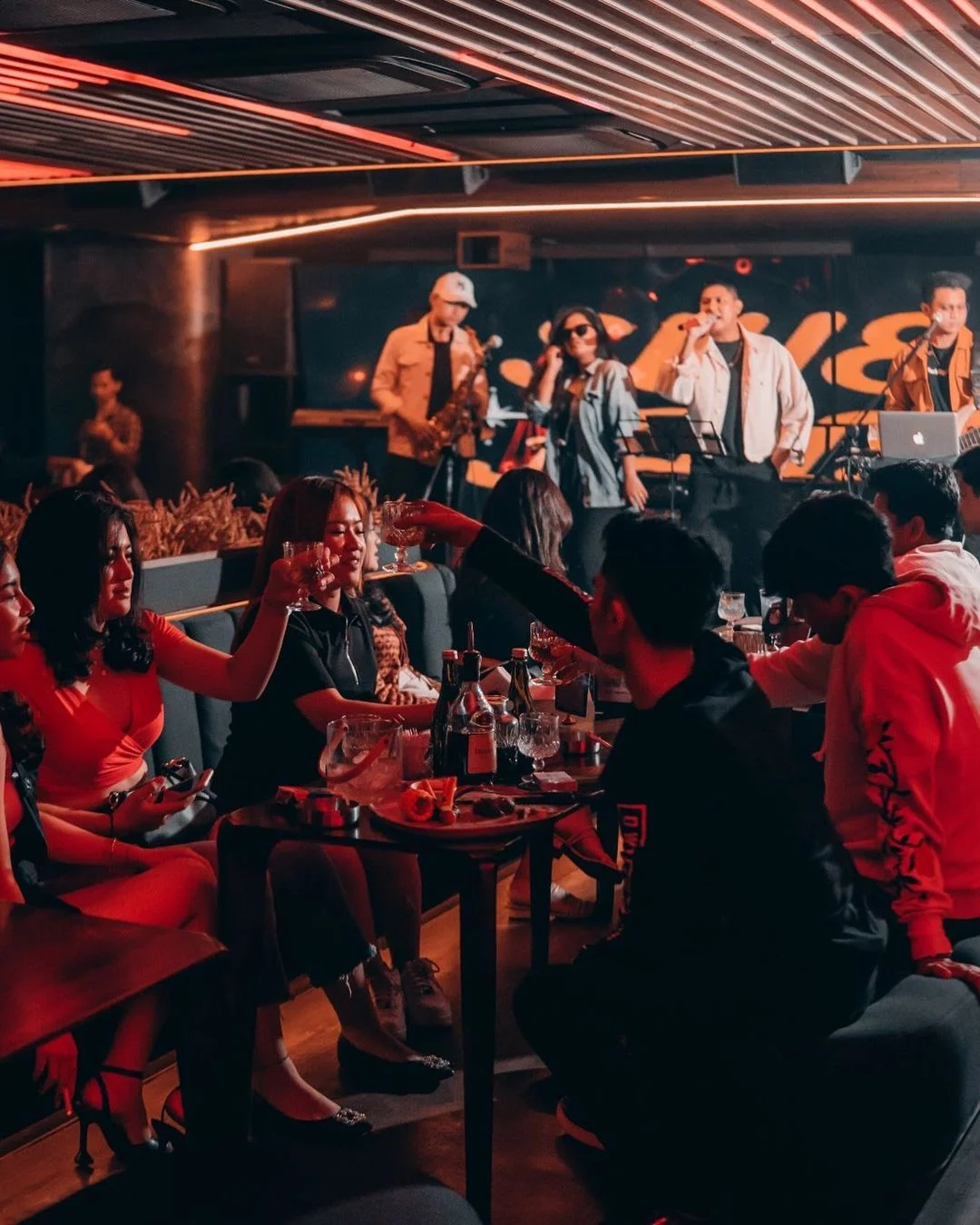
KODE Jakarta Review: Jakarta's Most Notorious After-Hours Destination That Defined an Era
EDITOR'S NOTE: KODE Jakarta was permanently closed by Jakarta authorities in December 2023. This review serves as an archival record of the venue's history and significance in Jakarta's nightlife landscape.
When a speakeasy-style nightclub operated behind a perfume shop facade and stayed open until dawn while the rest of Jakarta slept, it wasn't just another venue. It was KODE, the legendary after-hours destination that for years served as the final stop for Jakarta's nightlife enthusiasts. From approximately 2020 until its closure in December 2023, KODE occupied a unique space in the capital's entertainment ecosystem as the place where the night truly never ended.
Our team visited KODE multiple times during its operational years, spoke with dozens of guests during our research, and documented what made this venue both celebrated and controversial. This review captures the essence of KODE Jakarta as it existed, providing context for those who experienced it and historical perspective for those curious about this chapter in Jakarta's nightlife evolution.
Introduction – The Hidden Entrance on Jalan Cikatomas
KODE wasn't easy to find, and that was entirely by design. Located at Jalan Cikatomas II No.24 in the Rawa Barat area of Kebayoran Baru, South Jakarta, the venue's entrance was deliberately concealed within what appeared to be a perfume shop. Walking down the quiet residential street late at night, you'd pass the storefront and spot a small, unmarked door. Open it, and you'd descend into what regulars affectionately called "hell" – a small, dark club pulsing with music at hours when every other venue in Jakarta had closed.
The location was approximately 15 minutes from the SCBD nightlife district by car, making it the perfect after-party destination once clubs like H Club, Colosseum, and Dragonfly shut their doors at 3 AM. The residential setting meant the venue maintained an extremely low profile, which proved both its greatest strength and ultimately contributed to its downfall.
Where was KODE Jakarta?
Jl. Cikatomas II No.24, Rawa Barat, Kebayoran Baru, South Jakarta 12180
Operating Hours (Prior to Closure):
Monday-Sunday: 7 PM - 4 AM (weekdays)
Friday-Saturday: 7 PM - 6 AM (weekends)
Closure Date:
December 2023 (permanently sealed by Jakarta Satpol PP)
🎯 Overall Score: ⭐⭐⭐☆☆
3.1 out of 5 stars (61%)
Based on 17 categories evaluated across our visits and extensive research
Quick Verdict: KODE was a cult favorite after-hours venue that filled a unique niche in Jakarta's nightlife, offering late-night sanctuary when everywhere else closed. However, serious issues with safety, clientele management, ventilation, and ultimately legal compliance led to its permanent closure. While beloved by its core audience for its extended hours and underground vibe, the venue's operational problems and the circumstances of its closure prevent a higher rating.
What Made KODE Jakarta Special?
KODE's appeal was simple: it stayed open when nothing else did. In a city where most nightclubs closed at 3 AM sharp due to licensing restrictions, KODE operated in a gray area, welcoming party-goers from 10 PM until well past sunrise on weekends. This wasn't a massive megaclub or a sophisticated lounge. It was a small, intimate space with dark interiors, fluorescent accents, wooden details, and a sound system loud enough to feel in your chest.
The venue positioned itself as a modern lifestyle space that combined bar and club elements. During our earlier visits in 2021-2022, the atmosphere felt more like a hidden speakeasy where locals and expats gathered for late-night drinks and dancing. The signature cocktail, the "Charlie Brown," and menu items like the Smoked USDA Ribs Burger showed attempts to create a bar-restaurant hybrid identity.
But make no mistake: KODE's real identity was as Jakarta's go-to after-hours spot. When Colosseum, H Club, and other major venues emptied out, the crowd migrated to Cikatomas. The perfume shop entrance became legendary among regulars, a password-free speakeasy where the secret was simply knowing it existed.
The venue's Instagram presence and marketing through platforms like Chope demonstrated efforts to maintain legitimacy as a lifestyle destination. Live DJ performances, themed nights, and bottle service aimed at creating a club-restaurant atmosphere. Yet the reality we observed during weekend visits painted a more complicated picture.
Our Review Breakdown for KODE Jakarta
Our team visited KODE on four occasions between 2021 and early 2023, including two Friday nights, one Saturday, and one Thursday evening. We arrived at various times (midnight, 2 AM, and 4 AM) to understand the venue across different phases of the night. We also spoke with approximately 25 guests during our visits, including expats, Indonesian locals, and tourists, gathering diverse perspectives on the KODE experience.
Pre-Club Advertising ⭐⭐⭐☆☆
KODE maintained an active Instagram presence (@kodejkt) and listings on platforms like Chope and TripAdvisor, though the online presence was modest compared to Jakarta's major clubs. The venue's marketing emphasized its lifestyle positioning with menu photos, bottle service options, and cocktail highlights.
During our research phase, finding concrete information proved challenging. The venue relied heavily on word-of-mouth marketing within Jakarta's nightlife community. Most people discovered KODE through friends or after asking around at other clubs about after-hours options. The Linktree page offered menu links, but pricing remained somewhat opaque until you arrived.
The perfume shop entrance concept worked brilliantly as a marketing hook. Nearly everyone we spoke with mentioned the hidden entrance as part of KODE's appeal. This speakeasy aesthetic created mystique, though it also contributed to the venue operating under the radar of licensing authorities for years.
Social media showed the venue's attempts to establish credibility with food and drink content, but the limited follower count and engagement suggested KODE never achieved mainstream visibility. This underground positioning was likely intentional, helping the venue avoid scrutiny while building a loyal niche following.
Location ⭐⭐⭐⭐☆
The Kebayoran Baru location on Jalan Cikatomas offered both advantages and challenges. On the positive side, the residential setting provided privacy and discretion. The venue sat roughly 3-4 kilometers from SCBD's nightlife hub, making it accessible by Grab or Gojek in 10-15 minutes during off-peak hours.
Finding the venue required specific directions since the entrance was deliberately concealed. The perfume shop facade meant you couldn't just spot "KODE" signage from the street. First-timers often walked past it, and we observed groups on our visits asking locals for directions.
Parking was minimal to non-existent, which was fine since most guests arrived via ride-sharing apps. The surrounding neighborhood was quiet residential, creating an interesting contrast when you emerged at 5 AM to find the streets nearly empty while the club still pulsed behind its hidden entrance.
Proximity to SCBD meant KODE benefited from overflow traffic from major clubs. When H Club or Colosseum closed, guests looking to continue partying knew where to head. This strategic positioning made KODE the default late-night option for years.
The location's discretion ultimately couldn't protect the venue from authorities. The raid and closure in December 2023 demonstrated that even hidden venues face consequences for operational violations.
Booking Process and Seating Options ⭐⭐⭐☆☆
KODE operated more walk-in style than booking-focused, which suited its after-hours nature. Most guests arrived spontaneously after other clubs closed rather than making advance reservations. The venue did offer table booking through WhatsApp (+62-811-886-415) and appeared on Chope for reservations, though we found the booking system wasn't heavily utilized.
During our visits, we simply showed up and entered without reservations. The small venue size meant seating was limited. We observed a few VIP table areas with bottle service, but the majority of the space was standing room around the bar and dance floor.
Staff responsiveness on WhatsApp was decent when we tested it, with replies within a few hours about availability and table minimums. However, the informal nature of the venue meant these booking processes felt somewhat casual compared to major Jakarta clubs with dedicated reservations teams.
For those who did book tables, the process was straightforward but not particularly sophisticated. You'd communicate via WhatsApp, receive confirmation, and settle minimums on arrival. The venue's small scale meant table inventory was extremely limited.
Entrance Fee, Cover, and Entry Process ⭐⭐☆☆☆
Entry policies at KODE varied depending on night and time of arrival. During our visits, we encountered no cover charge on weeknights, while weekend entry ranged from IDR 150,000 to IDR 250,000 with drink inclusions. However, enforcement seemed inconsistent, with some guests reporting free entry while others paid covers on the same nights.
The door policy proved controversial and one of KODE's most criticized aspects. Security conducted basic bag checks and ID verification, though we observed inconsistent enforcement. The dress code existed on paper but wasn't strictly applied during late-night hours when the venue filled.
One guest we interviewed, Marcus from the Netherlands, mentioned the door staff could be selective: "Getting in depends on who you are and how you look. I've seen groups turned away for no clear reason while others walked straight through."
The entrance process through the perfume shop created natural bottlenecking during busy periods. We waited 10-15 minutes on our Saturday visit around 2 AM as security processed the queue. The small doorway and security checks created slowdowns, though nothing compared to major club wait times.
The most significant issue with entry, which we'll address more directly later, involved the clientele management at the door. Multiple guests reported that door policies failed to adequately screen for illegal activities that ultimately led to the venue's closure.
Minimum Spend ⭐⭐⭐☆☆
Table minimums at KODE were relatively modest compared to Jakarta's premium clubs. During our research, VIP table minimums ranged from IDR 3,000,000 to IDR 5,000,000 depending on location and night. For a venue operating until dawn on weekends, these minimums provided decent value.
The transparency of minimum spend policies was adequate but not exceptional. Information was available upon request through WhatsApp, though not prominently displayed online. During our visits with tables, staff clearly communicated minimums and included them in the bill.
Value proposition was reasonable given the extended hours. Paying IDR 3-4 million for a table that could be occupied from midnight until 6 AM represented better hourly value than standard clubs with 3 AM closures. However, the limited amenities and small venue size meant you weren't getting the premium experience of larger establishments.
We observed that enforcement of minimums was generally consistent, though the casual atmosphere meant staff were somewhat flexible with groups who exceeded slightly or fell short by small margins.
Menu/Drinks Pricing ⭐⭐⭐☆☆
Drink pricing at KODE fell into Jakarta's mid-range nightlife category. Cocktails ranged from IDR 120,000 to IDR 180,000, with the signature "Charlie Brown" cocktail priced around IDR 150,000. Beer options started at approximately IDR 80,000, while premium bottle service ranged from IDR 2,500,000 to IDR 6,000,000 depending on selection.
The menu attempted to establish KODE as a bar-restaurant hybrid. Food options included Western items like the Smoked USDA Ribs Burger, though during late-night visits food service seemed secondary to drinks. Menu items were priced comparably to casual Jakarta restaurants, ranging from IDR 85,000 to IDR 180,000.
Compared to major Jakarta clubs where cocktails easily exceeded IDR 200,000, KODE's pricing was more accessible. This aligned with its positioning as a continuation spot rather than a premium destination. The focus was keeping drinks flowing until dawn rather than craft mixology or premium ingredients.
We found the bottle menu offered standard spirits without extensive top-shelf selections. This wasn't a venue for rare whiskey or champagne service. Instead, the focus was mainstream vodka, gin, and rum that kept the party going.
Welcome and Security ⭐⭐☆☆☆
Security presence at KODE was minimal and inconsistent, which proved problematic. Door staff conducted basic bag checks, but the thoroughness varied dramatically. During our Thursday visit, security barely glanced at bags. On our Saturday visit, checks were more detailed, though still not comparable to major club security protocols.
The small security team for a venue operating until dawn raised concerns. We observed roughly 2-3 security personnel managing both entrance and interior crowd control. For a venue that could pack 80-100 people into a small space, this seemed inadequate.
Staff friendliness was decent during interactions. Door staff were generally polite, though professionalism was inconsistent. Some security showed signs of exhaustion during 4-5 AM hours, understandable given the extended operating schedule.
The most serious security failure involved the venue's inability or unwillingness to prevent illegal activities. The December 2023 raid by Indonesian National Police and BNN (National Narcotics Agency) revealed systematic issues with security protocols. Authorities found evidence of drug trafficking and usage, with multiple visitors testing positive for narcotics. This catastrophic security failure resulted in permanent closure.
Inclusions ⭐⭐⭐☆☆
Cover charges on busy nights typically included one or two drinks, providing basic value. Table bookings included standard mixers and ice service. However, KODE didn't offer extensive VIP perks or amenities beyond basic bottle service.
The venue's small size meant limited space for VIP areas or exclusive sections. Tables received attentive service from dedicated servers, but there weren't multiple tiers of VIP treatment like at Jakarta's mega-clubs.
What KODE really included was time. The ability to party until 6 AM on weekends represented the venue's primary value proposition. While other clubs rushed guests out by 3 AM, KODE's extended hours meant your entry fee or table minimum bought significantly more entertainment time.
Service ⭐⭐⭐☆☆
Service quality at KODE was functional but not exceptional. Bartenders mixed drinks competently, though don't expect craft cocktail expertise. Our signature "Charlie Brown" cocktails were tasty but straightforward rum-based drinks without elaborate preparation.
Wait times at the bar varied considerably. During peak hours (1-3 AM), getting bartenders' attention required patience. The small bar area created congestion, and we waited 10-15 minutes for drinks on busy nights. Weeknight service was significantly faster.
Table service proved more attentive. Servers checked on our group regularly, though the overall casual atmosphere meant service felt more like a neighborhood bar than a premium nightclub. Staff knowledge about menu items was basic, and we noticed language barriers with some international guests.
One guest we spoke with, Aisha from Jakarta, praised the service consistency: "The servers remember regulars and take good care of tables. It's not fancy, but they're reliable and friendly."
However, we also heard complaints about service degradation during late hours. By 4-5 AM, staff energy levels dropped noticeably, and wait times increased as skeleton crews managed the remaining crowd.
Entertainment ⭐⭐⭐☆☆
KODE featured resident DJ performances nightly, with the music policy clearly designed for maximum energy. The sound system was powerful for the small space, creating an immersive audio experience that regularly pushed volume limits.
During our visits, music programming focused on mainstream EDM, house, hip-hop, and Top 40 hits. This wasn't a venue for underground techno or experimental sounds. The DJs played crowd-pleasers designed to keep people dancing through dawn.
We didn't observe live performances beyond DJ sets. Entertainment value came from the music, atmosphere, and the unique experience of dancing as Jakarta woke up around you. The fluorescent lighting and dark interior created a somewhat surreal environment, especially during 4-6 AM hours when exhaustion mixed with determination to keep partying.
Production value was minimal compared to mega-clubs with elaborate lighting rigs and visual effects. KODE relied on its sound system, basic lighting, and the energy of crowds who refused to go home.
Food and Drink Quality ⭐⭐⭐☆☆
Cocktail quality at KODE was adequate without being impressive. Drinks were properly mixed with correct proportions, but preparation lacked finesse. The "Charlie Brown" cocktail we tried multiple times was consistently decent - sweet, fruity, and strong enough to justify the price.
Beer was served cold from bottles and cans, meeting basic expectations. We didn't see draft beer options. Bottle service came with standard mixers and appropriate glassware.
We sampled the Smoked USDA Ribs Burger during an earlier evening visit and found it surprisingly good - properly cooked beef with quality toppings. However, food service seemed to largely shut down after midnight, with the venue transitioning to drinks-only mode during peak late-night hours.
Consistency was reasonable given the venue's after-hours nature. You weren't getting craft cocktails or gourmet food, but drinks were drinkable and got the job done.
Sound Quality & Music Genre ⭐⭐⭐⭐☆
The sound system was genuinely impressive for such a small venue. Bass was deep and powerful, creating that chest-thumping feeling nightclub enthusiasts crave. Audio clarity remained decent even at high volumes, though our ears definitely rang after extended exposure.
Music programming suited the after-hours crowd perfectly. DJs understood their audience: people who'd already been partying for hours and needed high-energy tracks to push through until dawn. We heard primarily mainstream EDM, house music, hip-hop, and popular remixes.
Song selection kept dance floors moving. Resident DJs mixed skillfully, reading the crowd and adjusting energy levels throughout the night. During our 4 AM visits, music intensified to combat exhaustion, with DJs dropping massive drops and crowd favorites.
Volume levels pushed limits and likely violated noise ordinances, though the residential location's discreet entrance helped muffle sound. Inside, conversation was nearly impossible during peak hours. This worked fine for dancing but made socializing challenging.
Ambiance & Crowd ⭐⭐☆☆☆
KODE's ambiance was deliberately dark and intimate. Wooden interior elements mixed with fluorescent lighting created a somewhat basement-club aesthetic. The venue felt underground in both literal and figurative senses - small, cramped, and operating outside mainstream nightlife boundaries.
Crowd demographics were diverse during our visits: Indonesian locals, expatriates from various countries, tourists who'd discovered the venue, and regulars who treated KODE as their after-party headquarters. Age ranges skewed 25-40, with most guests already having spent hours at other venues before arriving.
However, crowd issues proved significantly problematic. Multiple guests we interviewed mentioned uncomfortable dynamics. Sarah from Australia told us: "The gender ratio was really off. Way more men than women, and the attention could get aggressive."
More seriously, numerous observations noted high prostitution activity at the venue. Multiple guests reported being approached with solicitations, and the venue's reputation for sex work became well-known within Jakarta's expat community. During our visits, we observed interactions that suggested commercial transactions occurring.
The December 2023 raid confirmed even more serious issues. Authorities conducted urine tests on visitors, finding multiple individuals testing positive for narcotics and psychotropic substances. Police discovered tablets containing Class I narcotics and hard drugs on the premises.
Capacity and crowding became oppressive during peak hours. The small venue filled quickly, creating packed conditions where movement was difficult. Combined with poor ventilation (detailed below), crowding made the environment physically uncomfortable.
Payment Options ⭐⭐⭐⭐☆
KODE accepted multiple payment methods including cash, major credit cards, and mobile payment options like QRIS. During our visits, bill settlement was straightforward, with itemized receipts provided for table service.
We appreciated the flexibility in payment options, especially given Jakarta's increasing adoption of digital payments. Credit card processing was reliable without the technical issues some smaller venues experience.
Staff handled bills professionally, clearly breaking down charges and confirming minimums before processing payments. We didn't encounter hidden fees or unexpected charges.
Exit Process ⭐⭐⭐☆☆
Leaving KODE meant reversing the entrance journey through the perfume shop door. During our visits, exit procedures were simple without coat checks or complicated systems to navigate.
The challenge was more physiological than logistical. Emerging from the dark, loud club into bright morning sunlight at 5-6 AM created jarring sensory overload. We'd stumble out to find Jakarta waking up, food vendors setting up, and early morning traffic beginning.
Staff didn't provide assistance with transportation, though Grab and Gojek pickups were easy to arrange from the street location. Security remained present at the exit to manage any issues.
Social Media ⭐⭐☆☆☆
KODE's Instagram presence (@kodejkt) and Linktree showed efforts to maintain modern social media marketing, though engagement was limited. Follower counts were modest, and posts received minimal interaction compared to Jakarta's major venues.
Content focused on menu items, bottle service, and event promotions. The venue didn't achieve Instagram influencer status or viral moments that boosted other clubs. This low social media profile aligned with KODE's underground positioning but also meant the venue missed opportunities for legitimate marketing growth.
Responsiveness to inquiries through social media was decent but not outstanding. Messages typically received replies within several hours to a day.
Transportation ⭐⭐⭐⭐☆
The Kebayoran Baru location was accessible via ride-sharing apps, which was crucial since the venue operated during hours when public transportation wasn't running. Grab and Gojek pickups worked smoothly from Jalan Cikatomas, and drivers generally found the address without difficulty.
No valet parking was available given the small venue scale and residential location. Street parking existed but wasn't practical or safe for overnight parking.
The 15-minute drive from SCBD made KODE conveniently positioned as an after-party destination. Travel costs via ride-sharing were minimal, typically IDR 30,000-50,000 from central nightlife areas.
The early morning exit timing actually worked well for transportation. By 5-6 AM, Grab drivers were already active for morning commuters, making rides home easily available.
Other/General Comments
What Worked:
- Genuinely filled the after-hours void in Jakarta's nightlife
- Extended weekend hours until 6 AM provided unique value
- Powerful sound system for a small venue
- Hidden entrance created memorable speakeasy aesthetic
- Accessible pricing compared to major clubs
- Good transportation access via ride-sharing
- Multiple payment options accepted
What Failed Catastrophically:
- Inadequate security protocols allowed illegal activities
- Poor clientele management led to prostitution and drug trafficking
- Terrible ventilation created smoke-filled environment
- Unsafe atmosphere for many guests, particularly women
- Legal violations resulted in permanent closure
- Minimal crowd control in small space
- No accountability for serious operational failures
Warning Signs We Observed:
- Security presence was insufficient for venue size and hours
- Door policies failed to prevent problematic guests
- Ventilation problems created health hazards
- Gender imbalance created uncomfortable dynamics
- Staff seemed overwhelmed during peak hours
- Operational practices suggested corner-cutting
Context on the Closure: In December 2023, DKI Jakarta Provincial Satpol PP sealed KODE following a joint raid by Indonesian National Police Narcotics Directorate and Customs & Excise officers. Authorities discovered:
- Multiple visitors testing positive for Class I narcotics and hard drugs
- Tablets containing narcotics and psychotropic substances
- Sale of alcoholic beverages violating excise regulations
- Systematic failures in preventing drug trafficking and abuse
The closure was based on:
- DKI Jakarta Provincial Regulation Number 8 of 2007 concerning Public Order
- Governor of DKI Jakarta Province Regulation Number 18 of 2018 on Tourism Business Implementation
- Formal requests from Jakarta Tourism and Creative Economy Office
- Letters from Indonesian National Police Narcotics Directorate
- Revocation of business certificates through OSS-RBA system
Our Overall Opinion of KODE Jakarta
After evaluating KODE across 17 categories and multiple visits, we awarded it an overall score of 3.1/5 stars (61%), placing it in the "Average with Serious Flaws" category. This rating reflects the venue's successful execution of its core after-hours concept balanced against critical failures in security, safety, and legal compliance that ultimately led to permanent closure.
KODE succeeded at solving a specific problem: Jakarta had no legitimate after-hours options. When mega-clubs closed at 3 AM due to licensing restrictions, night owls had nowhere to continue partying. KODE filled that void for several years, creating a dedicated following among people who simply didn't want the night to end.
The venue's speakeasy entrance, powerful sound system, extended hours, and accessible pricing created genuine appeal. During our earlier visits in 2021, the atmosphere felt like a hidden sanctuary where the party-resistant could gather without judgment. The small space fostered intimacy, and regulars developed community around their shared late-night habit.
However, serious operational failures overshadowed these positives. Security protocols were inadequate for a venue operating in a legal gray area. Door policies failed to prevent drug trafficking and prostitution from becoming systemic problems. Staff couldn't or wouldn't enforce standards that would have protected both guests and the business.
The ventilation issues bordered on health hazards. Jakarta's smoking culture combined with poor airflow created environments where visibility decreased and breathing became uncomfortable. Multiple guests mentioned leaving with stinging eyes and smoky clothes, and we experienced the same during extended visits.
Most critically, KODE's closure revealed that the venue had become a location for illegal drug trafficking and consumption. The December 2023 raid wasn't just about operating past licensing hours. Authorities found evidence of serious criminal activity, with visitors testing positive for hard drugs and dealers operating within the venue. This represents catastrophic failure in management and security protocols.
The gender dynamics and prostitution issues we observed during visits, later confirmed by multiple guest accounts, created environments where many people felt unsafe. Female guests reported aggressive attention and solicitation, while the venue's reputation for sex work became widely known.
Would we have gone back (before closure)? For the unique after-hours experience, possibly, but with significant reservations about safety and atmosphere. The closure ultimately demonstrated why those reservations were justified.
Who was KODE perfect for?
- Die-hard party enthusiasts who weren't ready to sleep at 3 AM
- Groups looking for after-party destinations
- Regulars who understood the venue's dynamics and risks
- People fascinated by underground nightlife experiences
- Those willing to trade premium amenities for extended hours
Who should have avoided KODE?
- Anyone uncomfortable with crowded, smoke-filled environments
- Women traveling alone or in small groups (safety concerns)
- People expecting premium club standards or security
- Anyone opposed to venues with drug activity and prostitution
- Guests seeking safe, well-managed nightlife environments
- People unwilling to accept legal and security risks
FAQs About KODE Jakarta
Is KODE Jakarta still open?
No. KODE was permanently closed and sealed by Jakarta authorities in December 2023 following raids that discovered drug trafficking, narcotics abuse, and excise violations. The venue's business licenses were revoked, and it will not reopen.
What led to KODE's closure?
Joint raids by Indonesian National Police Narcotics Directorate and Customs & Excise officers found multiple visitors testing positive for Class I narcotics, discovered tablets containing illegal drugs, and identified systematic violations of licensing and excise regulations. The venue was sealed under public order regulations.
What was the famous "perfume shop entrance"?
KODE's entrance was concealed within what appeared to be a perfume shop storefront on Jalan Cikatomas. Guests would enter through a small, unmarked door in the shop, creating a speakeasy-style hidden entrance that became one of the venue's signature features.
What were the operating hours?
Before closure, KODE operated Monday-Sunday from 7 PM to 4 AM on weeknights and 7 PM to 6 AM on Friday-Saturday. These extended weekend hours made it Jakarta's primary after-hours destination.
How much did it cost to get in?
Entry fees varied from free on quieter nights to IDR 150,000-250,000 on weekends, typically including one or two drinks. VIP table minimums ranged from IDR 3,000,000 to IDR 5,000,000 depending on location and night.
What kind of music did KODE play?
Resident DJs played mainstream EDM, house music, hip-hop, and Top 40 hits designed to keep energy high through dawn hours. The focus was crowd-pleasing tracks rather than underground or experimental genres.
Was KODE safe?
No. Multiple guests reported safety concerns including aggressive solicitation, prostitution activity, and visible drug use. The December 2023 raid confirmed systematic security failures, with authorities finding evidence of drug trafficking and numerous visitors testing positive for narcotics.
Could you smoke inside KODE?
Yes, and this was a major complaint. The combination of Indonesia's smoking culture and poor ventilation created smoke-filled environments where visibility and air quality degraded significantly during busy periods.
Did KODE serve food?
The venue offered a limited food menu including items like burgers and Western dishes, particularly during earlier evening hours. However, food service largely shut down after midnight as the venue transitioned to drinks-only focus.
How did KODE compare to other Jakarta clubs?
KODE was significantly smaller and less sophisticated than mega-clubs like H Club, Colosseum, or Dragonfly. It couldn't compete on production value, amenities, or prestige. Instead, it carved a niche as the after-hours destination when major clubs closed at 3 AM.
Why did regulars love KODE despite its problems?
For dedicated nightlife enthusiasts, KODE provided something no other venue offered: extended hours that allowed partying until dawn. Regular guests accepted the venue's flaws in exchange for the ability to continue dancing when everywhere else had closed.
Were there alternatives to KODE for after-hours?
During KODE's operational period, Jakarta had very limited legitimate after-hours options. Some venues like Colosseum in North Jakarta stayed open slightly later, but KODE was the primary destination for genuine late-night/early-morning partying. After its closure, Jakarta largely returned to 3 AM closure times across venues.
Final Thoughts on KODE Jakarta
KODE Jakarta represented both the innovation and risks of operating in nightlife's gray areas. For several years, it successfully provided an after-hours sanctuary that Jakarta's party scene desperately wanted. The hidden entrance, extended hours, and underground vibe created experiences impossible to find elsewhere in the capital.
Yet the venue's story ultimately became a cautionary tale about the consequences of inadequate security, poor management, and operating outside legal boundaries. The same discretion that allowed KODE to stay open past licensing hours also enabled illegal activities that led to its demise. When authorities finally raided in December 2023, they found evidence of systematic failures that made closure inevitable.
For those who experienced KODE during its operational years, memories will be mixed. The venue delivered on its core promise of extended party hours and created a community of late-night enthusiasts. However, the safety concerns, smoke-filled environment, and ultimately the revealed drug trafficking cast long shadows over those positive experiences.
KODE's closure highlighted ongoing tensions in Jakarta's nightlife regulation. The city's 3 AM closure rules, designed to control nightlife, create demand for after-hours venues. Yet when those venues operate outside legal frameworks, they often lack the oversight and accountability that protect guests and communities.
As of January 2026, KODE remains permanently sealed, a chapter closed in Jakarta's nightlife evolution. The venue that once was the city's worst-kept secret now serves as a reminder that sustainable nightlife requires more than just demand and discretion - it requires responsible management, adequate security, and legal compliance.
For travelers and nightlife historians, KODE's story illustrates both the appeal of underground venues and the real dangers they can harbor. While the speakeasy entrance and dawn parties created memorable experiences, the venue's ultimate failure to ensure guest safety and prevent criminal activity led to its rightful closure.
The legacy of KODE Jakarta: A beloved-yet-flawed after-hours destination that filled a real need in Jakarta's nightlife but ultimately prioritized extended hours over the security and legal compliance required for sustainable operation.
KODE Jakarta Contact Information (Historical):
📍 Jl. Cikatomas II No.24, Rawa Barat, Kebayoran Baru, South Jakarta 12180, Indonesia
📞 +62-811-886-415 (No longer operational)
📱 Instagram: @kodejkt (Account status unknown)
Closure: December 2023 (Permanently sealed by DKI Jakarta Satpol PP)
Status: Not operational, business licenses revoked
Looking for Current Jakarta Nightlife Options?
For travelers seeking Jakarta's nightlife in 2026, consider these currently operational venues:
- H Club SCBD - Jakarta's largest nightclub
- Colosseum Club - North Jakarta mega-club with late hours
- Dragonfly - Upscale clubbing experience
- Lucy in the Sky - Popular rooftop venue
- SKYE - High-altitude lounge and club experience
Always research current venue operations, reviews, and safety records before visiting. Jakarta's nightlife landscape continues evolving, with venues opening and closing regularly.
For up-to-date nightlife bookings and guest list access with exclusive perks, visit GuestListNow - your trusted platform for Jakarta's best venues with verified safety standards and legitimate operations.
This review was compiled through firsthand research visits between 2021-2023, guest interviews, industry documentation, and news reports following KODE's closure. All observations reflect the venue as it operated before December 2023's permanent closure.